


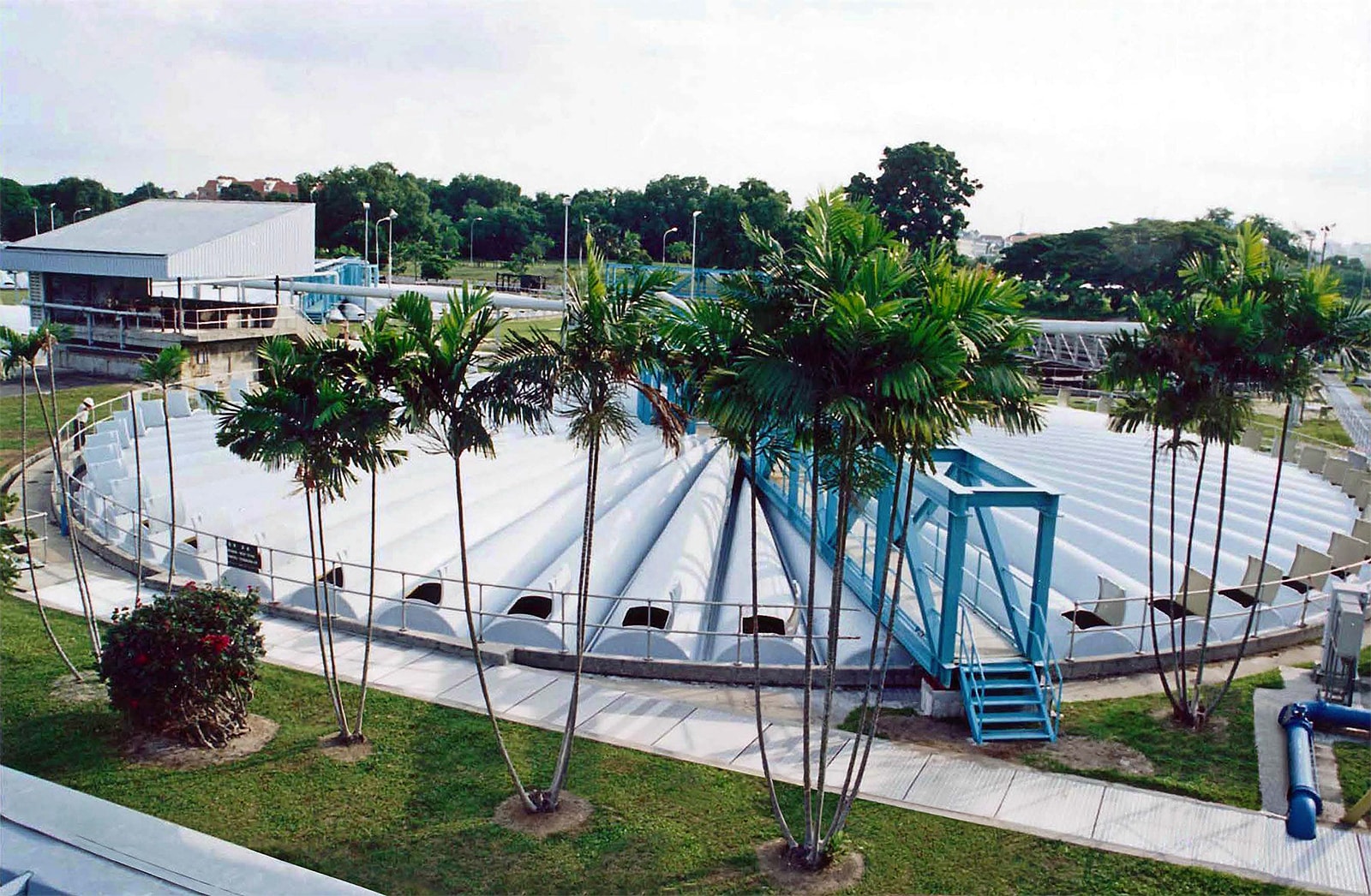


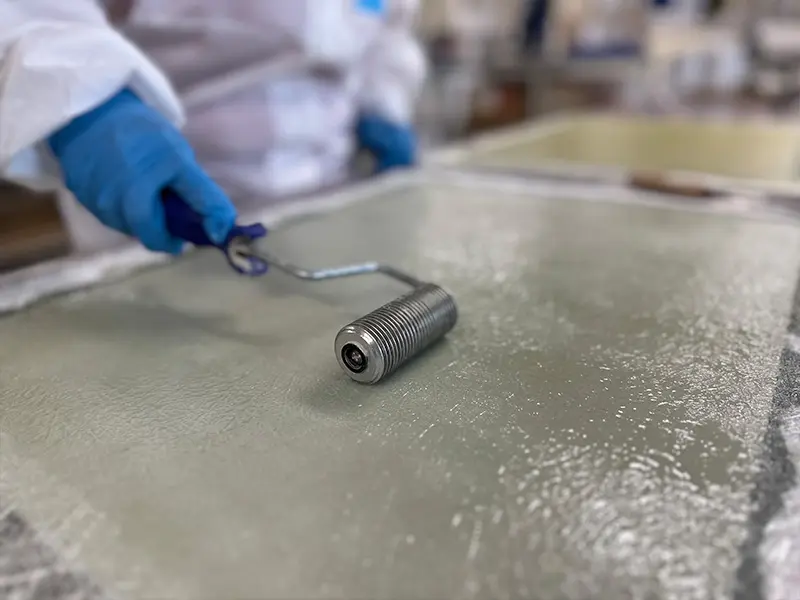
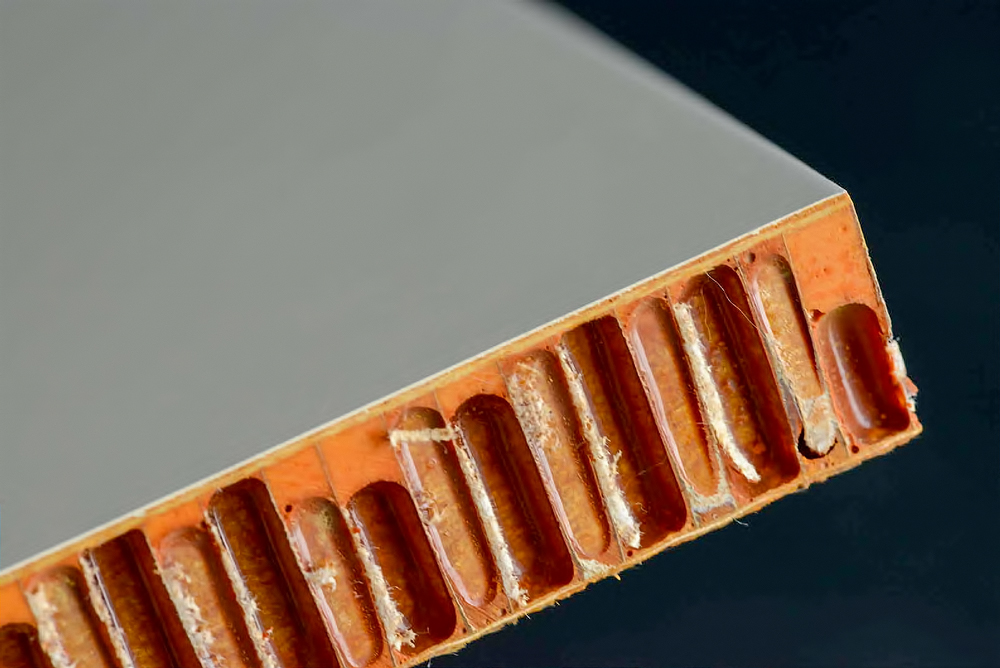






It can be used in applications ranging from sleek automotive body panels to rugged floor or wall panels. It is particularly well suited to kitchens, bathrooms, and other areas that require washable low-maintenance walls. Its low density makes it up to five times lighter than equivalent metal parts and its strength to weight ratio is very good.
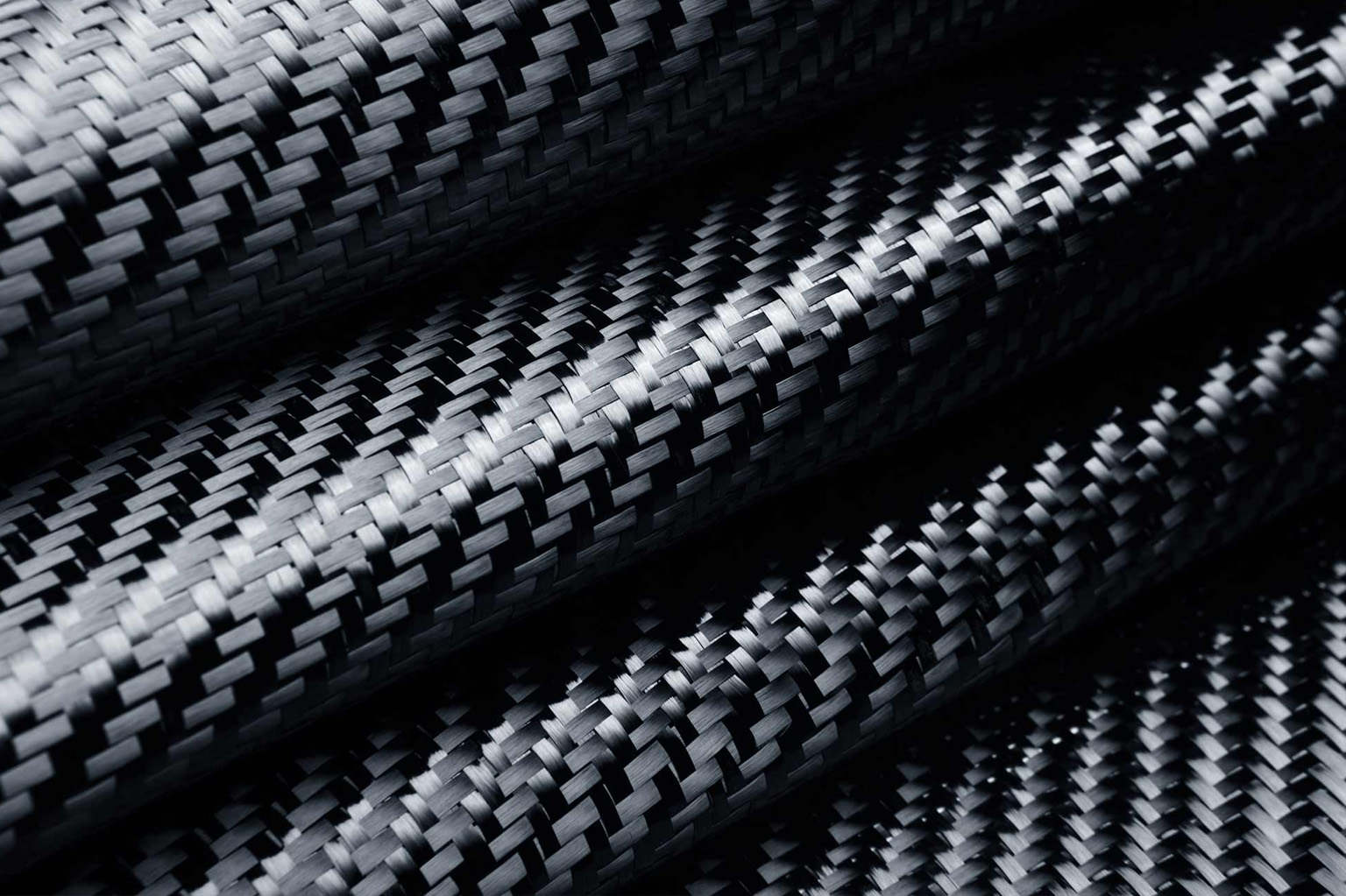
The composite's strength can be increased or decreased by altering the proportion of reinforcement. Fillers may also be added to extend the value of the resin, reducing the cost of the final composite by as much as 50 percent.
Advantages
Least expensive option
Can be tailored to meet a wide range of end-use applications
Limitations
Only moderate mechanical properties
High styrene emissions in open moulds
High cure shrinkage
Limited range of working times
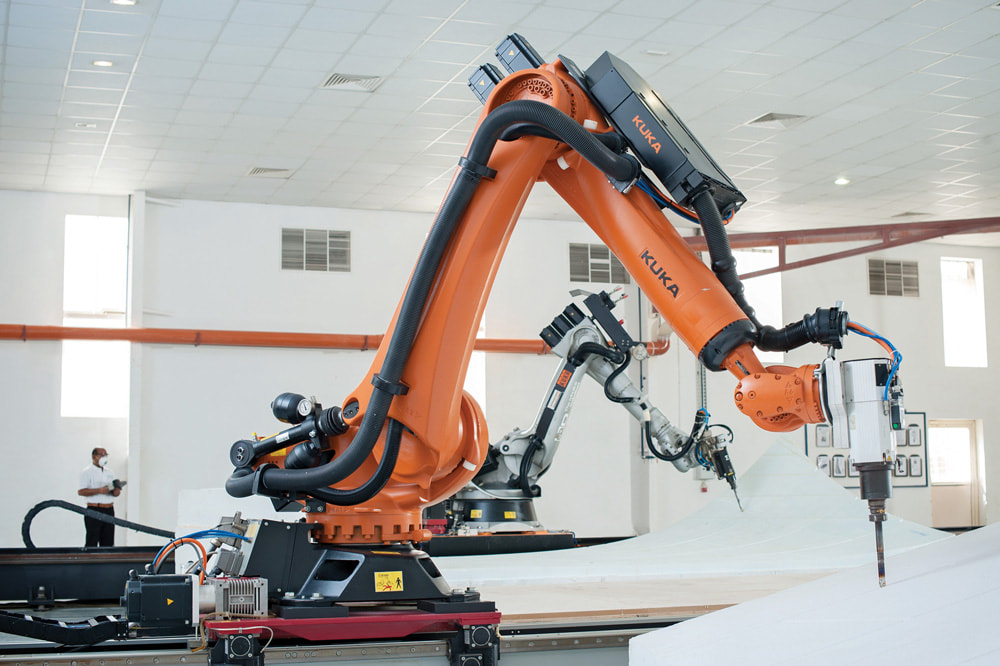
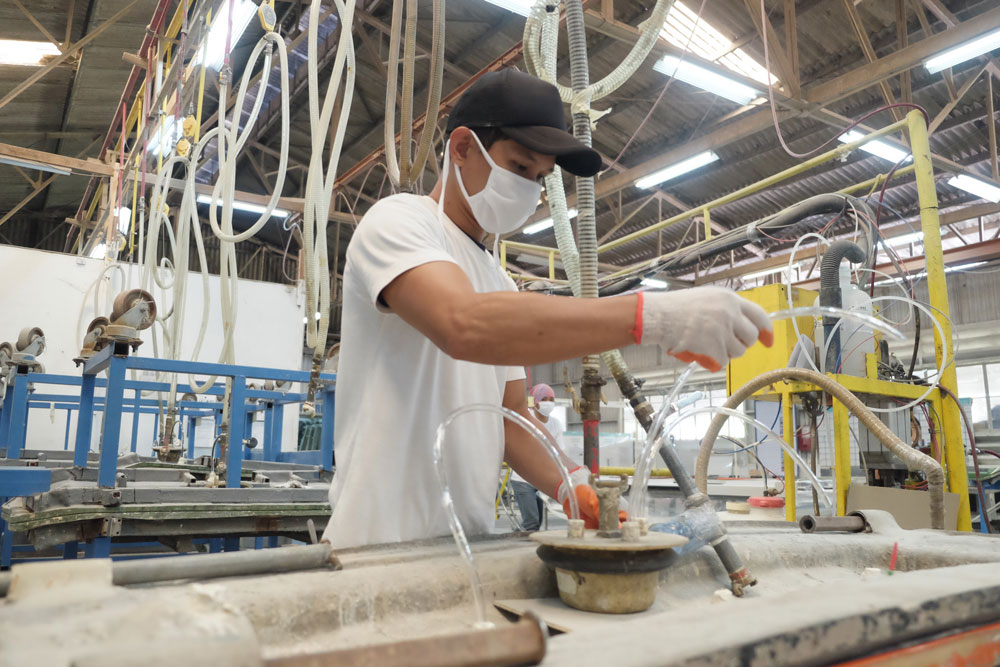
Processing Technologies
| Technical Details | |
|---|---|
| Maximum use temperature | 79 - 141 °C |
| Flexural strength | 8 - 23 ksi |
| Flexural modulus | 0.5 - 0.6 Msi |
| Tensile strength | 3 - 13 ksi |
| Tensile modulus | 0.3 - 0.6 Msi |
| Density | 1.1 - 1.2 grams/cc |
| Moisture absorption | 0.15 - 0.60 % |
| Elongation | 1.4 - 4.0 % |
Explore Other Resin Systems
Polyester
Low cost, versatile
Epoxy
High performance
Phenolic
Fire resistant
Vinyl Ester
Tough & resilient
Contact us to discuss your project with one of our experts