


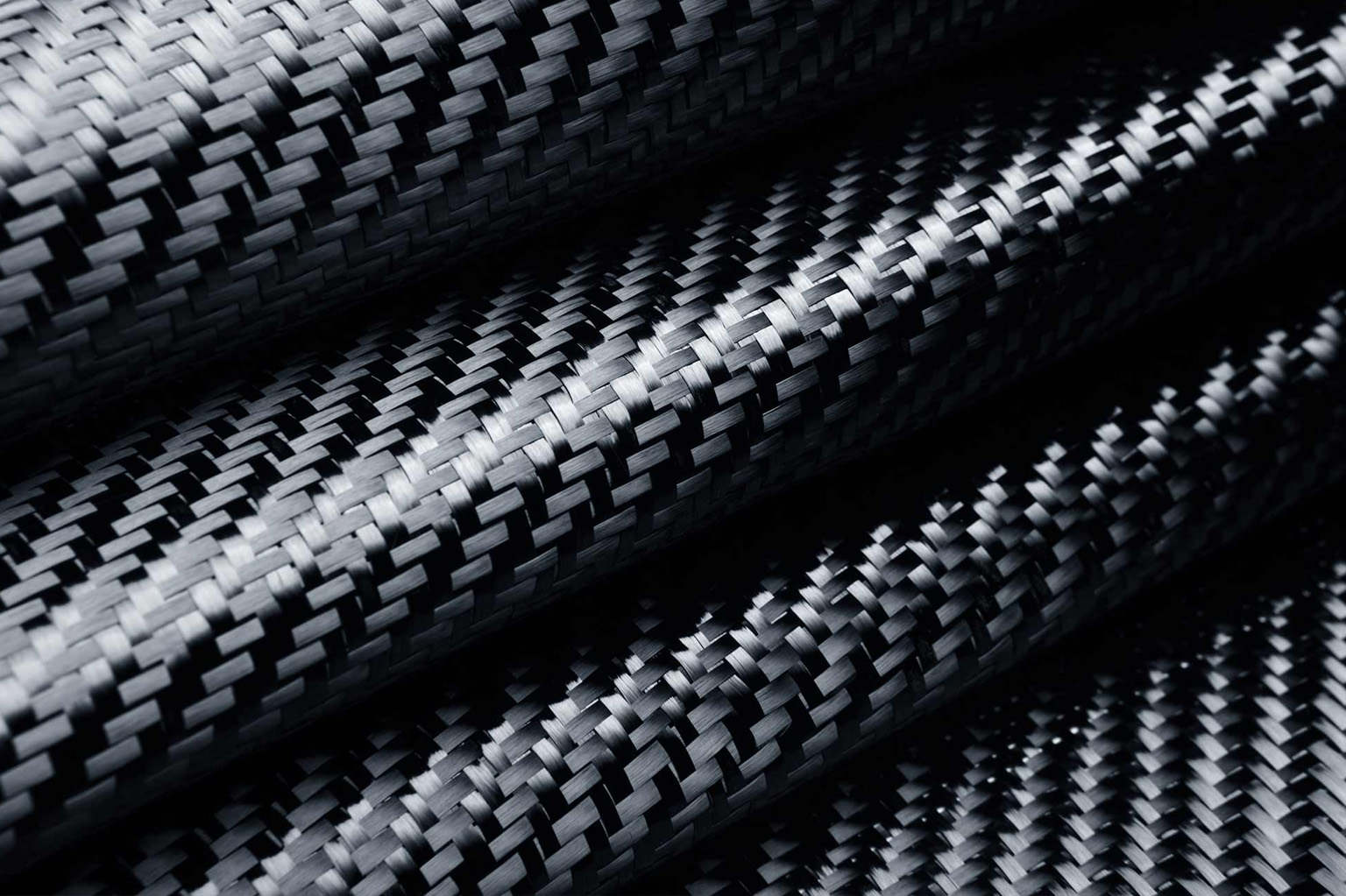
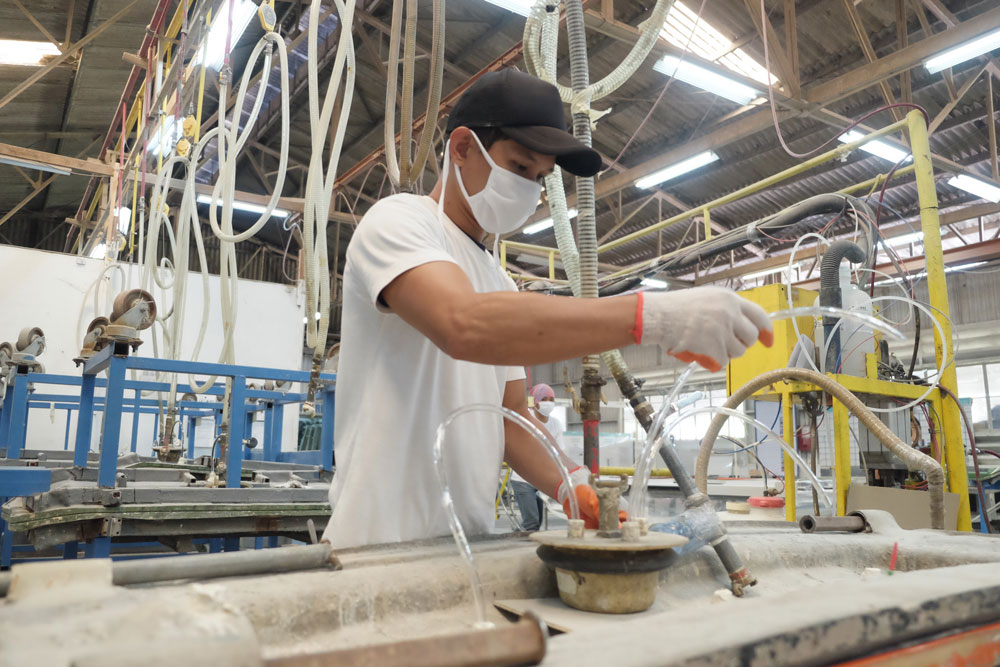
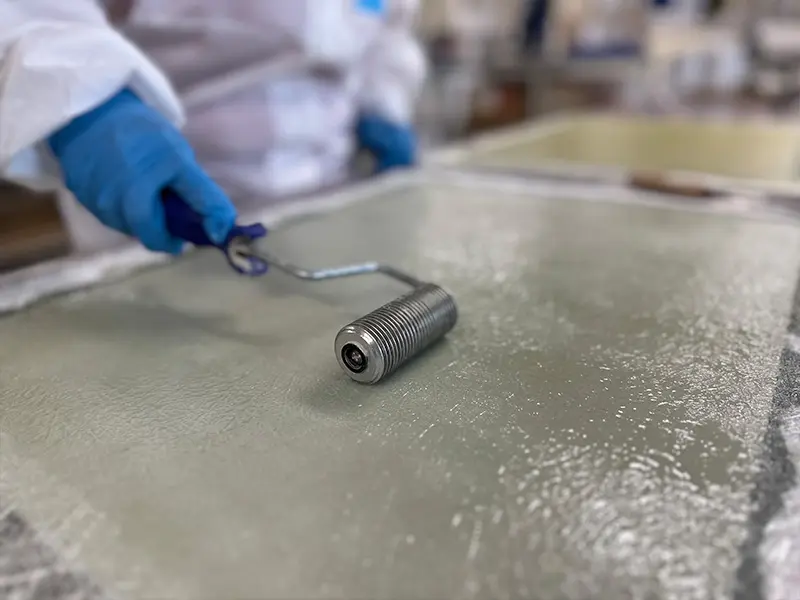
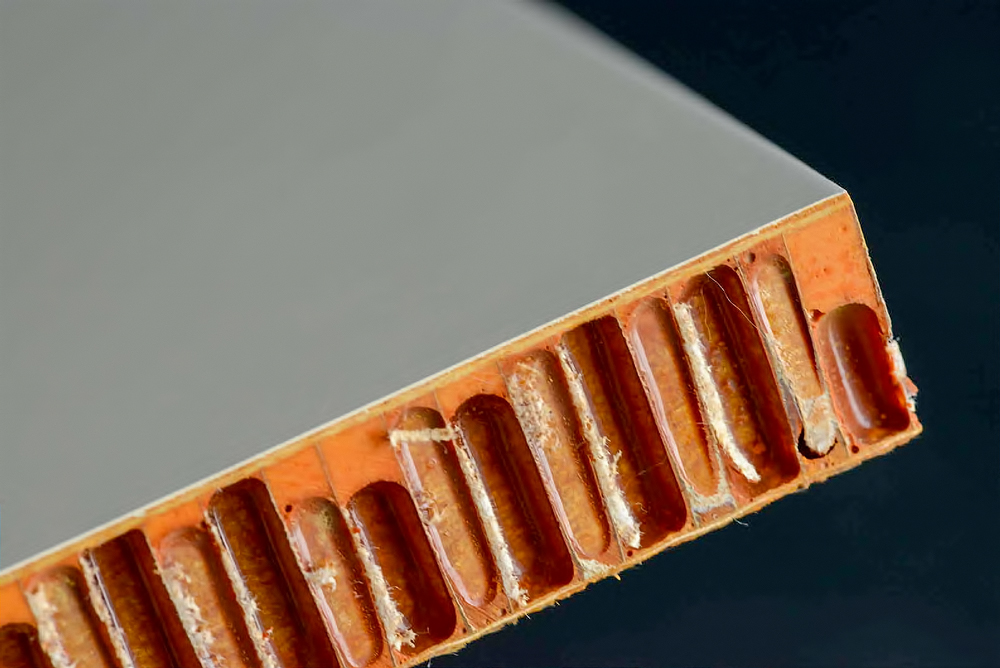



Profiles made of composite -- Glass fiber-reinforced plastics (GRP) -- today provide an alternative to conventional structural materials such as concrete, steel, aluminum and wood. Used for structural purposes, composite has the advantage of combining a number of properties not usually found together in a single material.
Composites combine high strength and low weight, while at the same time being non-corrosive and offering thermal and electrical insulation properties. They can also be machined like wood using diamond-tool equipment.

Using composites rather than conventional materials such as steel usually provides major weight savings. This is partly due to the specific properties and low weight of the individual components, and partly because it is possible to manufacture composites for very particular purposes.
For example, a composite component can be specified and designed for a particular type of load. It also offers several advantages over conventional materials, such as resistance to chemicals and thermal and electrical insulation properties.

GRP profiles have good thermal properties and form neither heat nor cold bridges. This can be utilized for example to integrate the facade into the building's load-carrying construction, which is therefore visible both outside and inside.

Why Composites for Industrial Applications
- High strength combined with low weight
- Non-corrosive with excellent chemical resistance
- Thermal and electrical insulation properties
- Can be machined like wood using diamond-tool equipment
- Major weight savings compared to steel and concrete
- Can be specified and designed for particular load types
- No heat or cold bridges in GRP profiles
- Versatile alternative to concrete, steel, aluminum and wood