

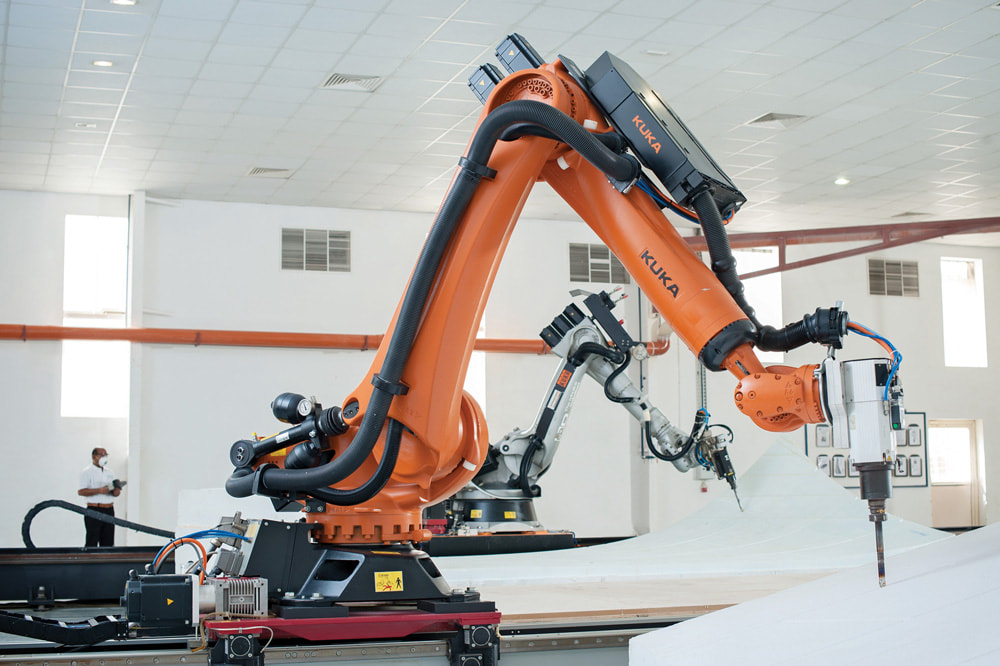
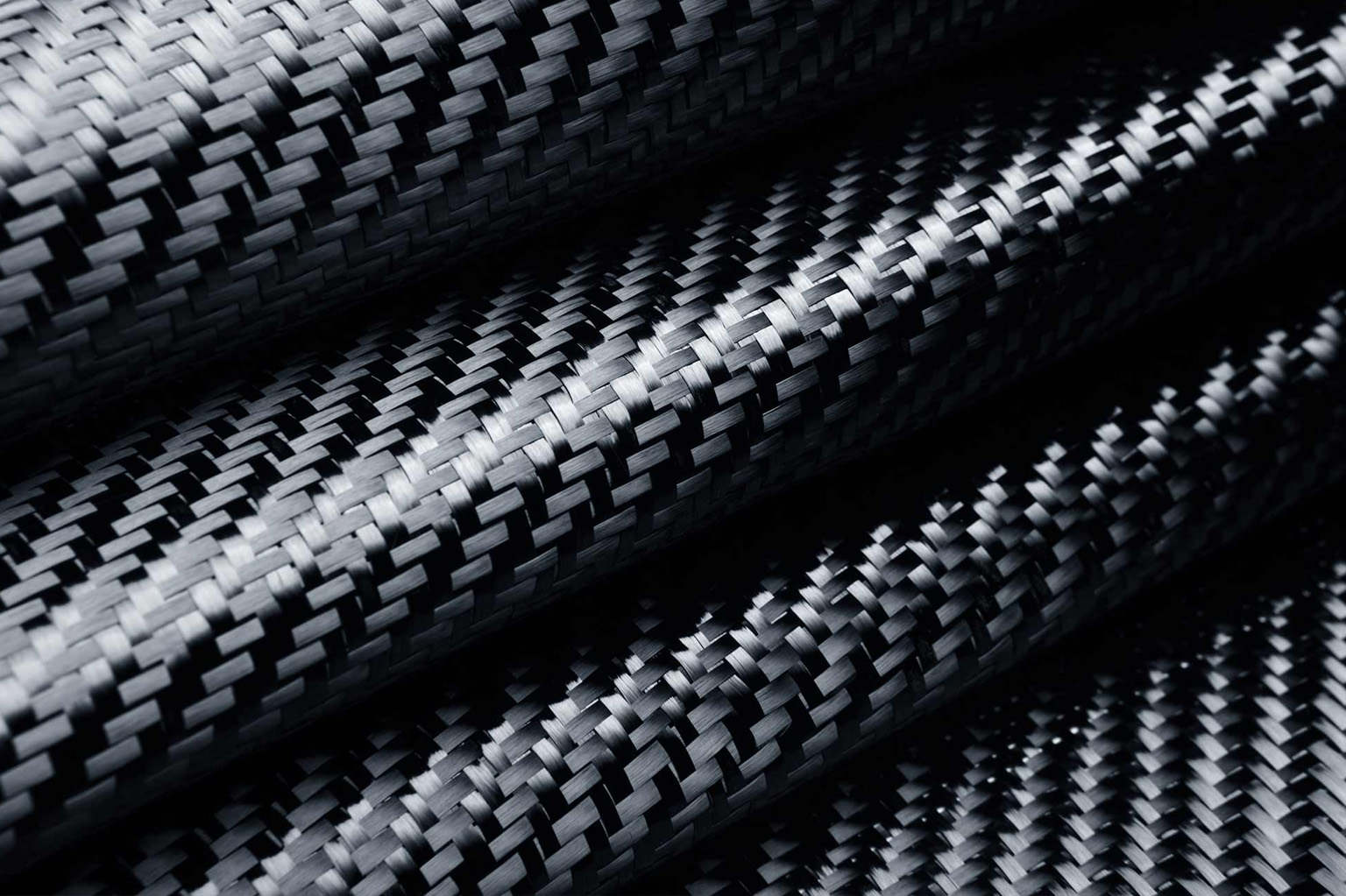
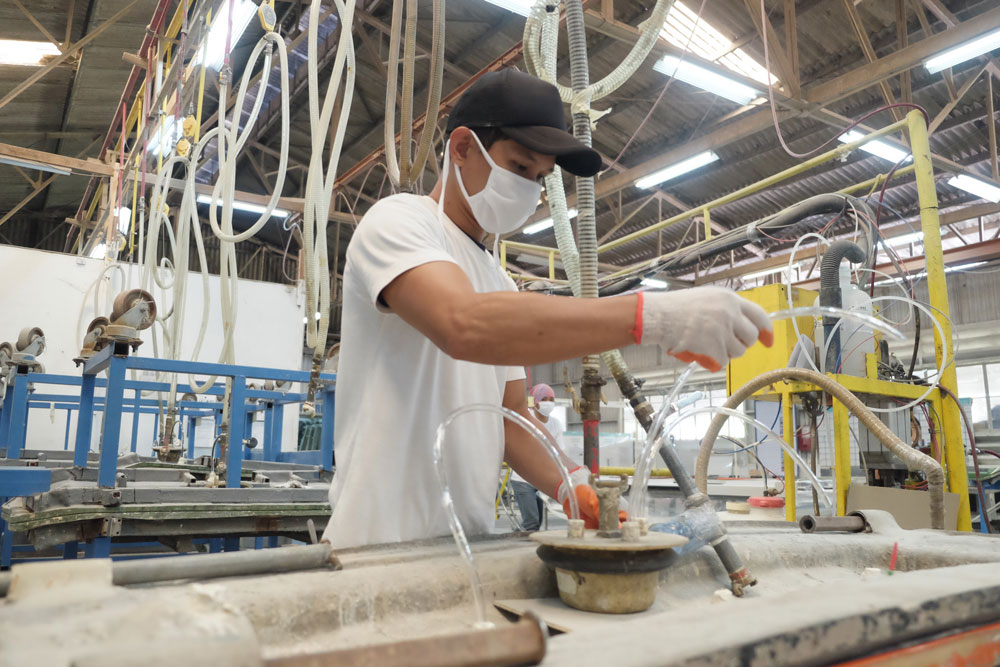
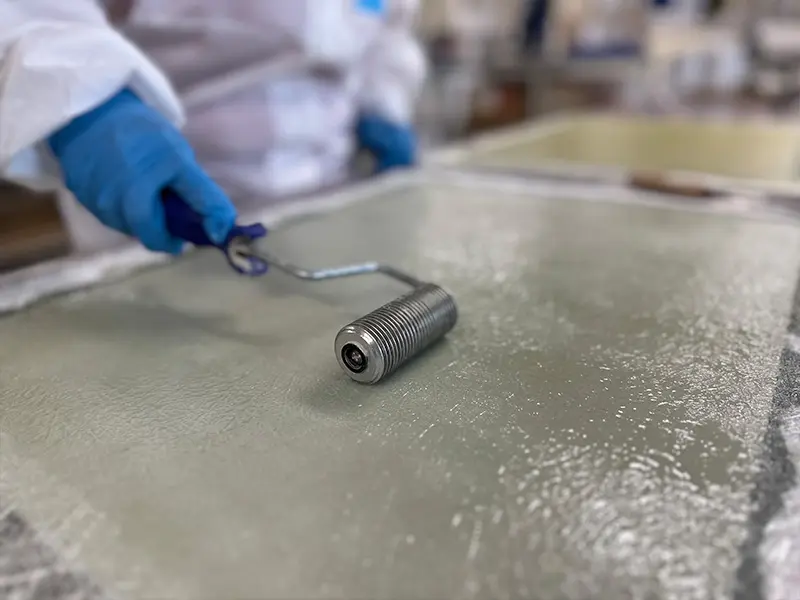
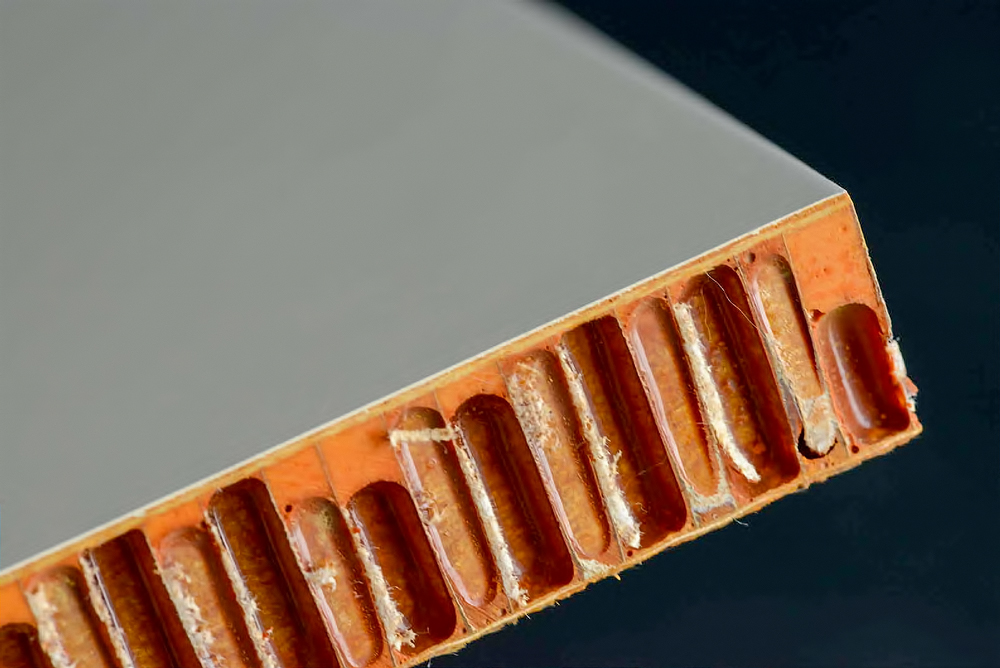


The materials offer design flexibility and can be moulded into complex shapes such as curved, corrugated, ribbed, or contoured in a variety of ways with varying thickness. This makes them a popular choice for decorative details, mouldings, columns, and brackets. A traditional look such as stone, marble, copper, gold, or chrome can be achieved at a fraction of the cost.
Composites allow plenty of scope for customisation in building interior applications too. Composite wall panels allow architects to create designs that are impossible or impractical with traditional materials, improve thermal performance and energy efficiency, and meet building code requirements.
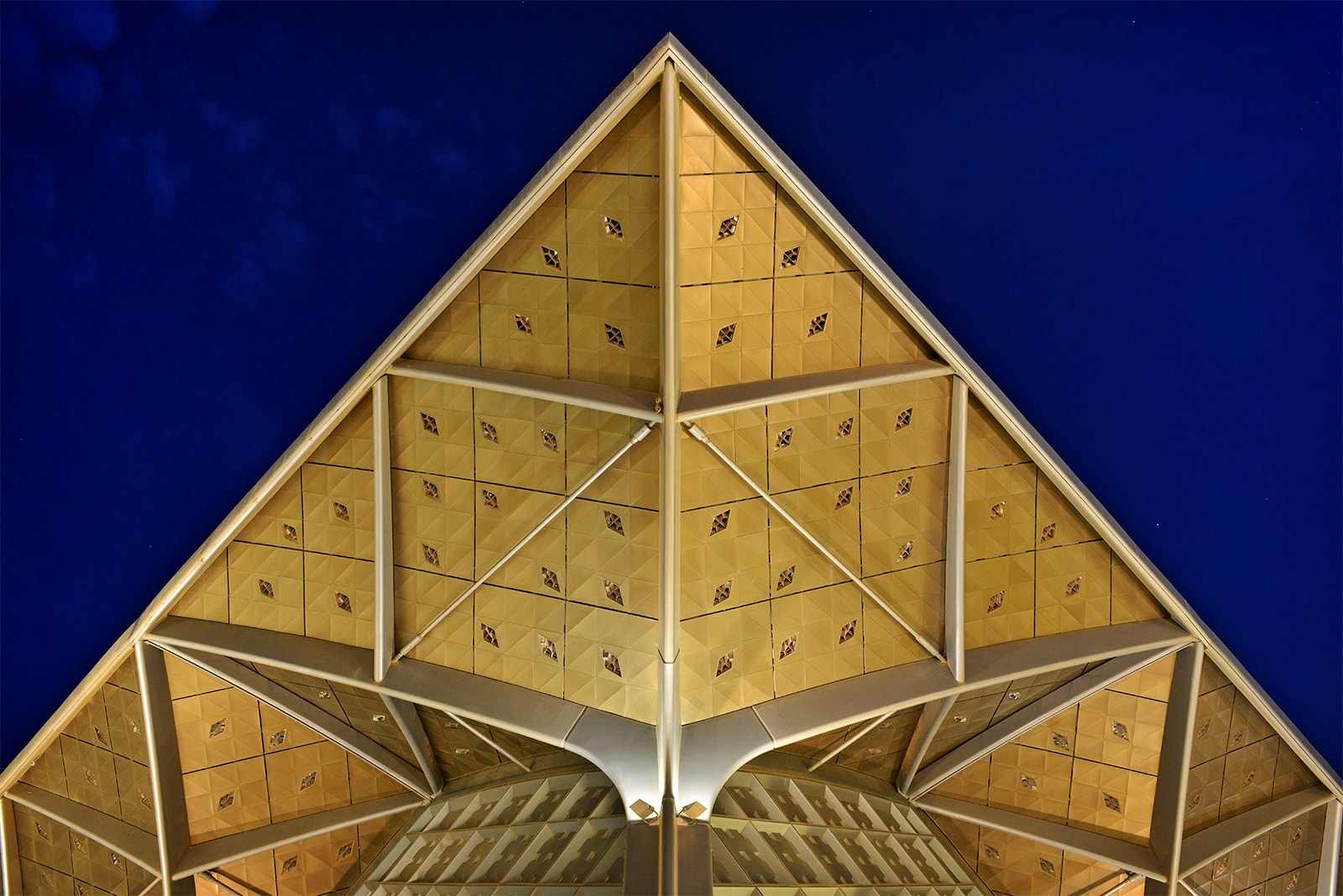
 King Abdullah Financial District, Saudi Arabia
The high strength-to-weight ratio offered by composites translates to a smaller foundation requirement and eliminates the need for most secondary aluminium framing and mechanical fasteners. Building facades and structural elements made from composites are more durable than traditional materials as they are resistant to adverse weather conditions. FRP composites can also help you achieve LEED certification for your project.
Whether used for small rain-screen cladding panels, complex curvature building envelopes, domes and cupolas, decorative screens, lattice work, or shading elements, composites reduce overall project costs and help you achieve quicker construction due to prefabricated parts and parts consolidation.
BFG Architecture has helped create some of the world's most dramatic skylines, and we look forward to working with you on your next project. Our experienced engineers produce cost-effective and high-performance composite architectural elements that fully harness the advantages of this versatile material.
13 Reasons to Choose Composites for Architecture
- High design flexibility and customizable aesthetics
- Lightweight with a very high strength-to-weight ratio
- Innate durability and very long life
- Very high corrosion resistance
- Dimensional stability under severe mechanical and environmental stresses
- Can be engineered for excellent thermal insulation
- Can be engineered for excellent fire performance
- Mouldability with no complex joints — curves integrated into one piece
- No limitation on panel size beyond transportability
- Easy to install, dismantle, reuse, and relocate
- Site repairable
- Long-term cost savings — lower total life cycle cost
- LEED enabling — environmentally friendly, supports green building