





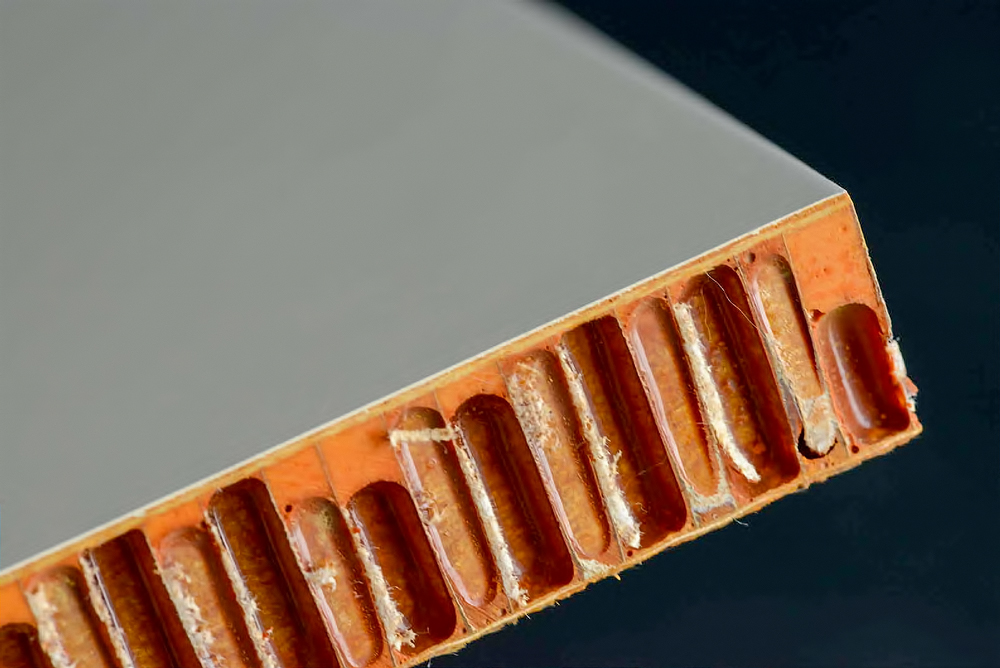
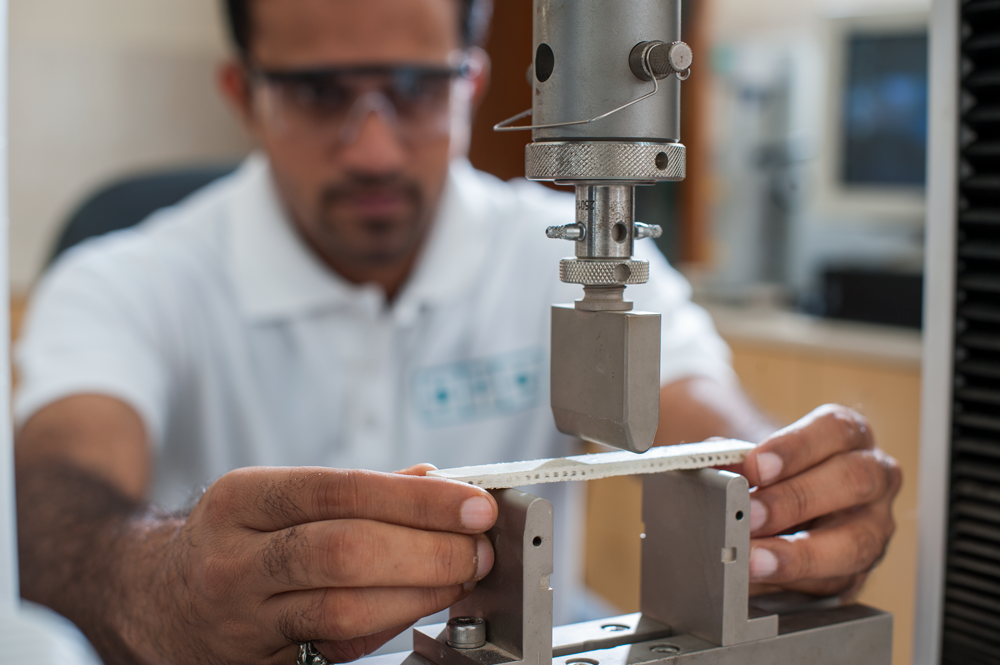





The automotive industry is no stranger to composites. In addition to enabling ground-breaking vehicle designs, composites are also being used to make lighter, safer, and more fuel-efficient vehicles.
The main advantages composites offer automotive applications are in strength-to-weight and stiffness-to-weight properties. Vehicle weight can be reduced by as much as 60 percent, resulting in significant fuel economy.
Composites offer excellent crash performance compared with traditional steels and can meet or even exceed safety requirements in a crash. While steel typically absorbs only 35 J/kg of energy, thermoset composites can absorb about twice this, and thermoplastics can absorb 7-8 times the energy of steel (C-PEEK = 230 J/kg).
Composites can be easily moulded into aerodynamic designs for high performance vehicles, and can also be designed in such a way as to reduce the number of joints and fasteners required. Composites have been used in Class A automotive parts since the 1940s, offering flatness, smoothness and light reflection equivalent to that attainable with steel.
Composites are more environmentally friendly, allowing increased reuse, recycling, and recovery of vehicles and their components. Other key advantages include zero-solvent emissions, reduced material scrap, improved work safety conditions, elimination of painting steps (through use of high-molecular weight polymer surface films), and elimination of tedious production steps via automation. Composites also do not rust or corrode like steel or aluminium.
BFG International's experienced engineers produce cost-effective and high-performance composite car bodies and automotive parts which fully harness the advantages of this versatile material. We work with some of the industry's biggest manufacturers, including Renault and Volvo.
Why Composites for Automotive
- Up to 60% vehicle weight reduction for significant fuel economy
- Excellent crash performance -- thermoplastics absorb 7-8x the energy of steel
- Easily moulded into aerodynamic high-performance designs
- Used in Class A automotive parts since the 1940s
- Environmentally friendly with increased reuse and recycling potential
- Zero-solvent emissions and reduced material scrap
- Elimination of painting steps through polymer surface films
- No rust or corrosion unlike steel or aluminium