







The process is best suited for low volume requirements (less than 1,000 parts per year) where a one-sided finish is required. Since it produces a heavier, resin-rich laminate, it is better suited to parts which are produced mainly for aesthetic purposes.
Process
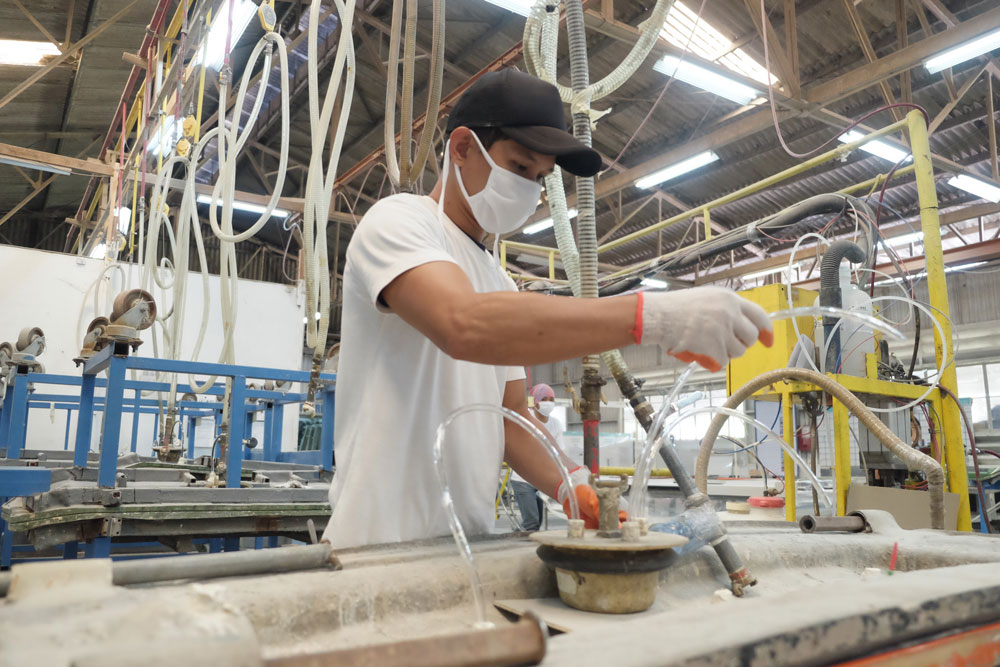
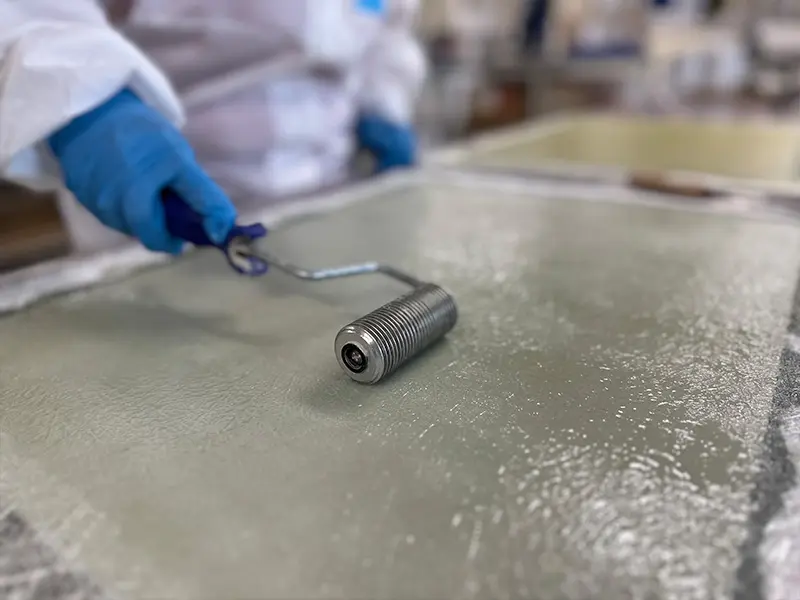
Spray up utilises a chopper gun which sprays catalysed resin and chopped glass fibres simultaneously. The multi-end roving is fed to the chopper gun from a creel that contains several thousand feet of gun roving. This multi-end roving is cut or chopped by the action of the spray gun into strands 1/2 inch (12mm) to 1 1/2 inches (36mm) in length and combined with a spray of resin immediately in front of the gun nozzle. The saturated glass/resin matrix is then deposited on the mould surface. Multiple passes build the laminate to the specified thickness. As in the hand lay-up process, consolidation by hand rolling is required to compact the laminate and remove entrapped air. Also as with hand lay up, the ratio of glass fibre to resin is critical.
Materials Options
Resins: Primarily polyester
Fibres: Glass roving only
Cores: None. These have to be incorporated separately
Advantages
- Spray up can be faster than hand lay up in some instances, especially in the case of complicated shapes.
- The process is ideal for low volume parts (less than 1,000 per year).
Limitations
- Since spray up uses only chopped strand mat with no higher strength woven or knitted fabric, it produces a heavier, "resin rich" laminate with lower physical properties.
- Only short fibres are incorporated which severely limits the mechanical properties of the laminate.
- Resins need to be low in viscosity to be sprayable. This generally compromises their mechanical and thermal properties.
Applications
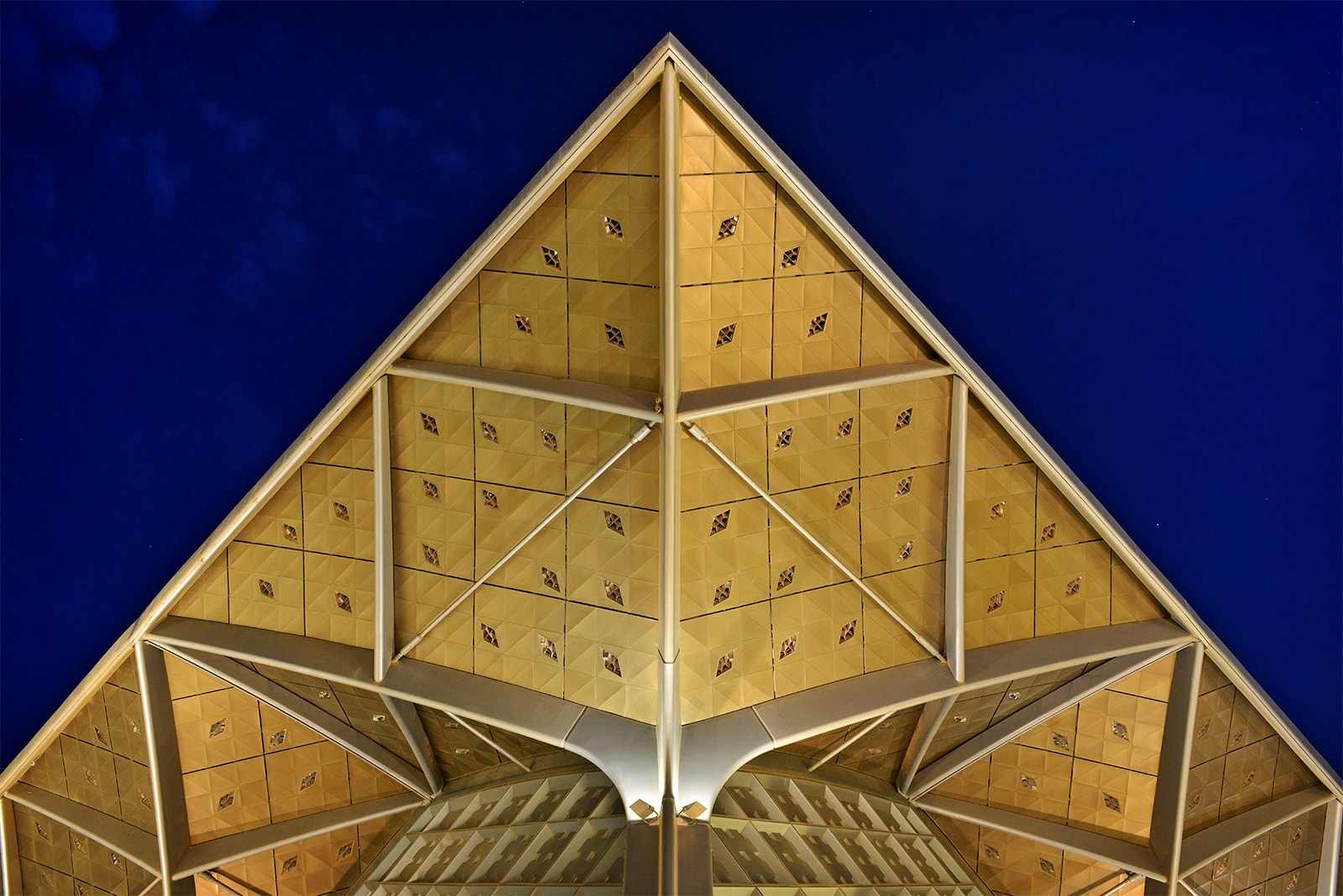
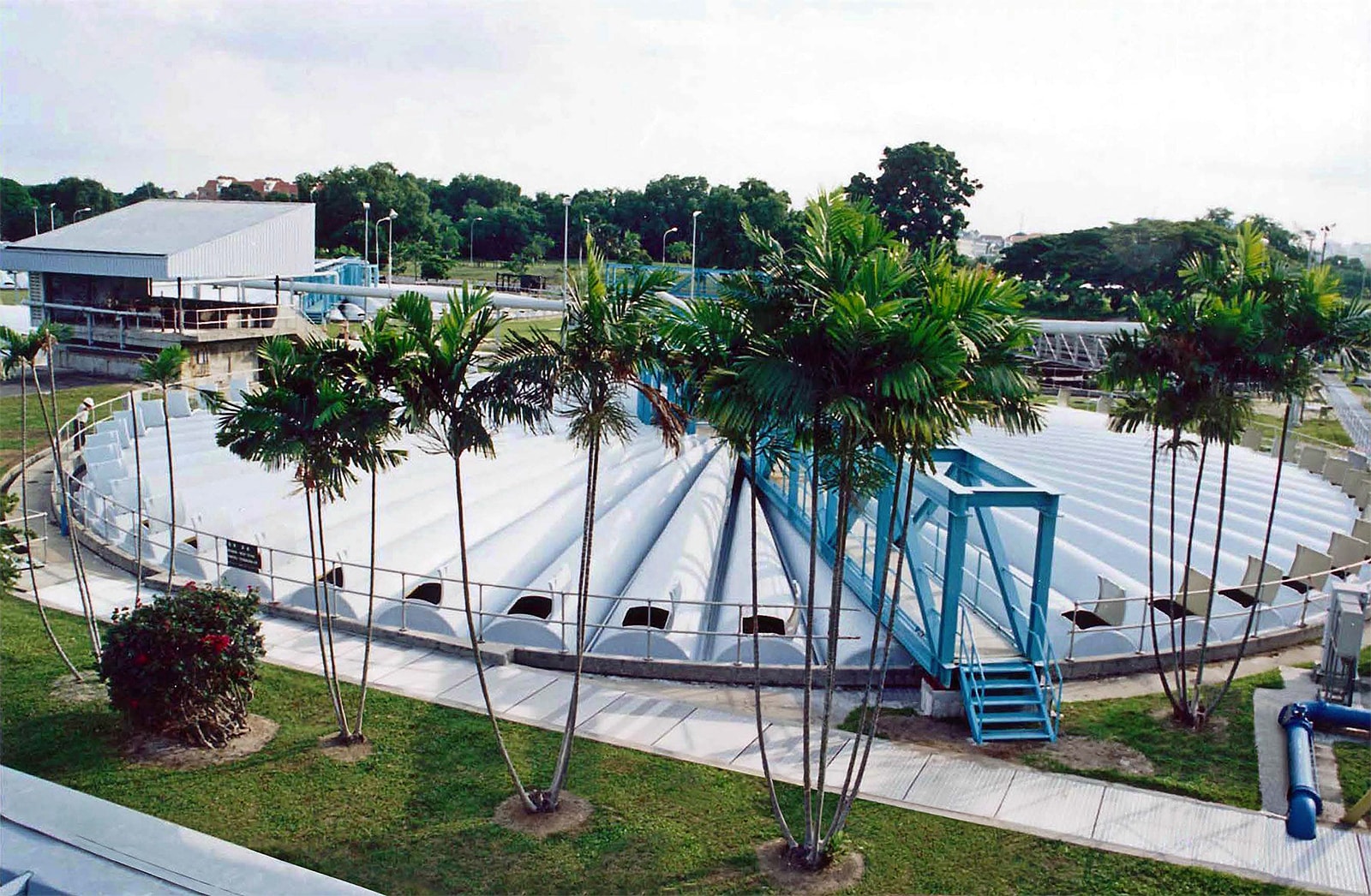
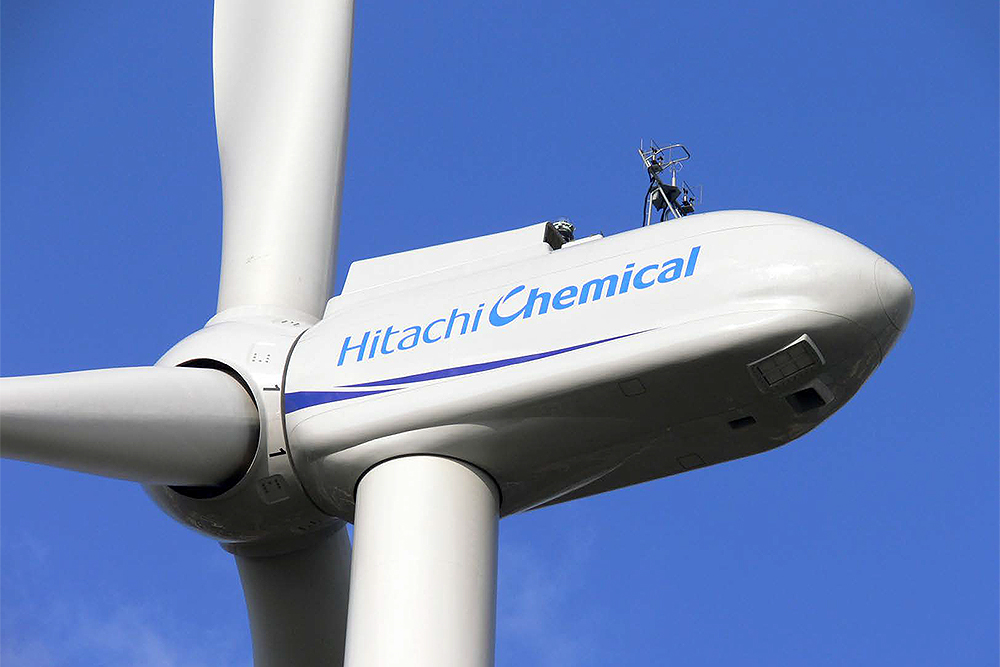
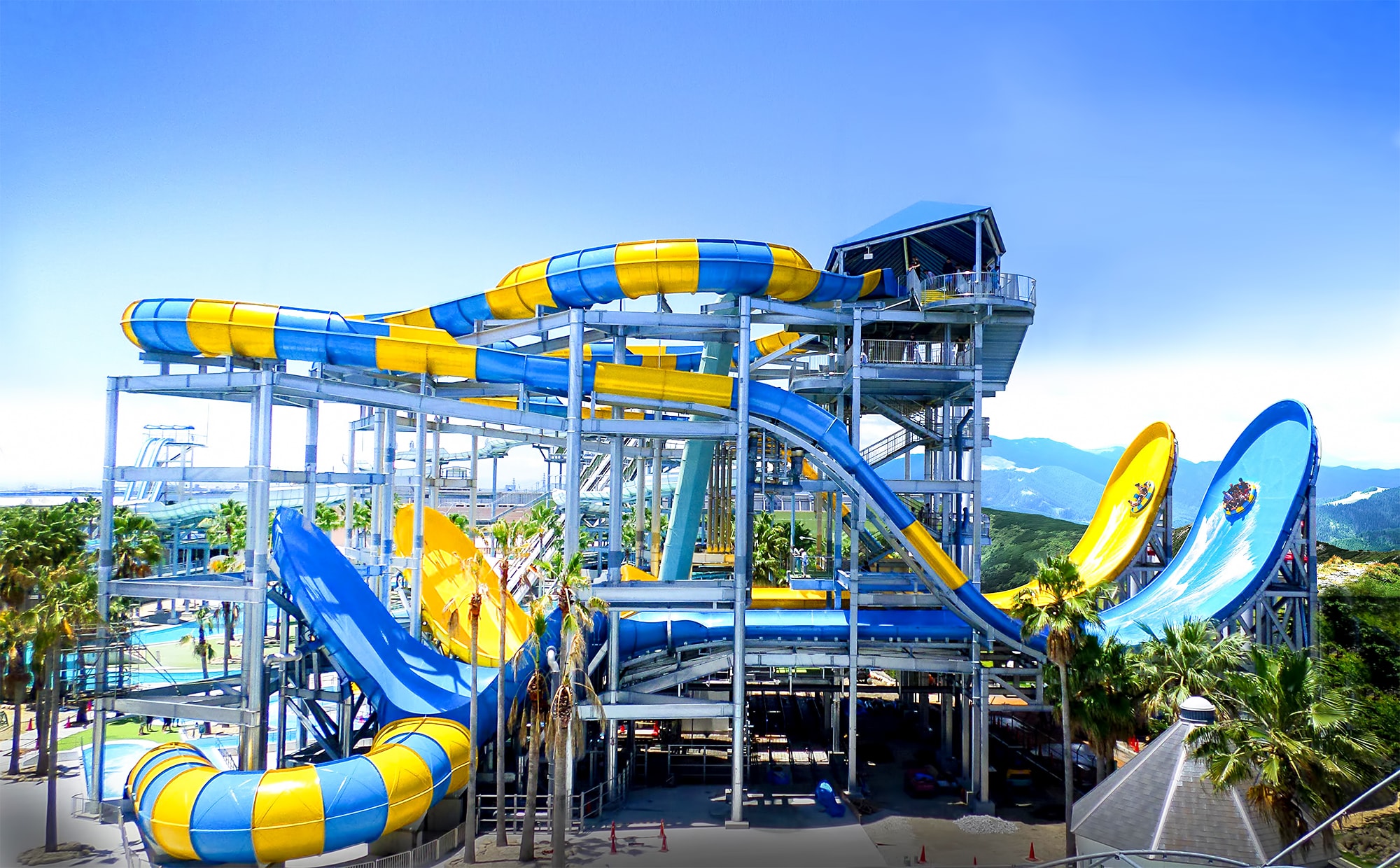
- Lightly loaded structural panels, e.g. caravan bodies, truck fairings, bathtubs, shower trays, some small dinghies.