


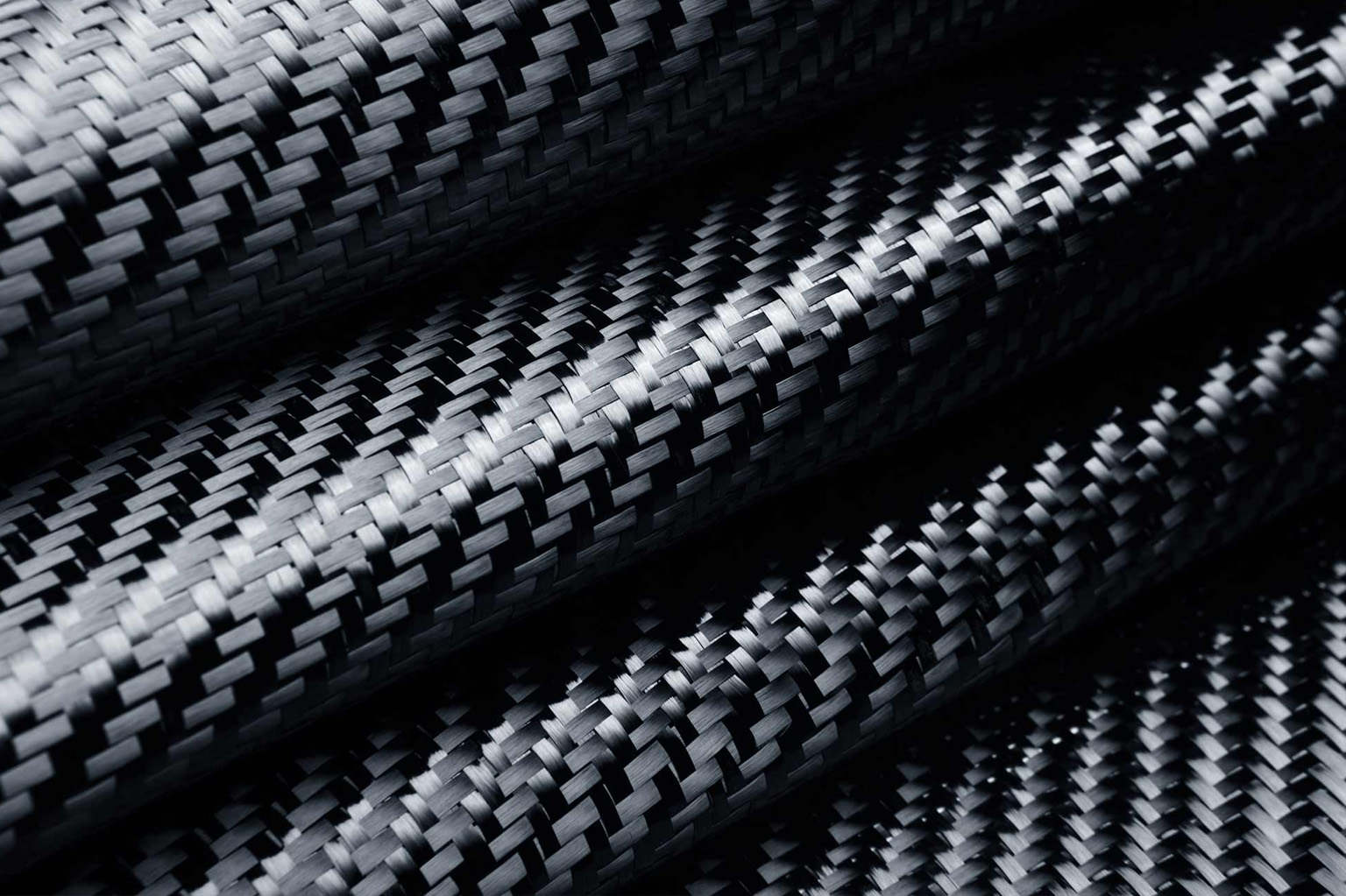
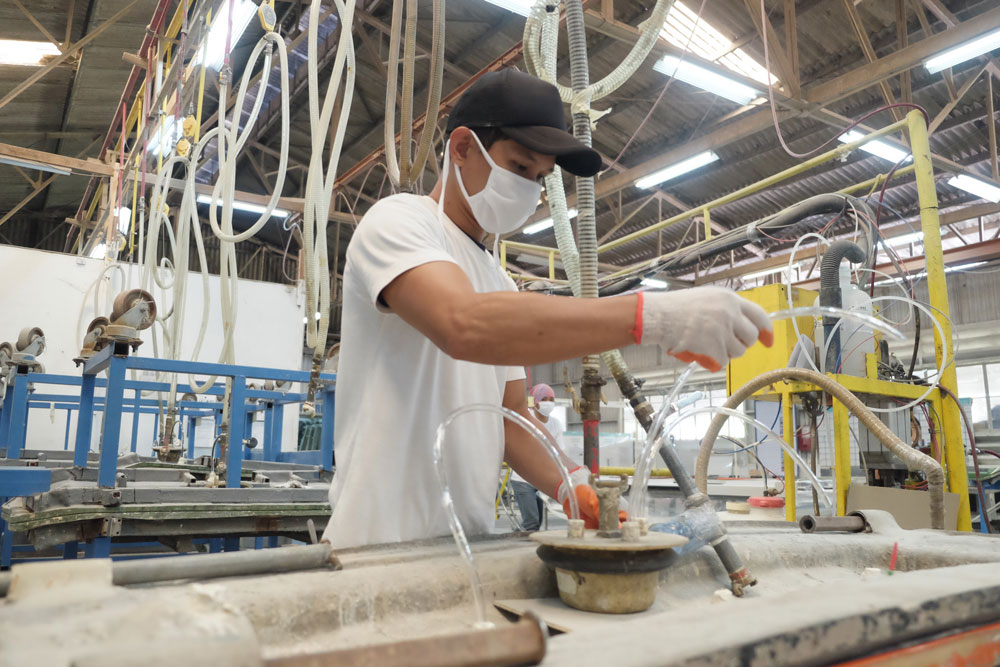
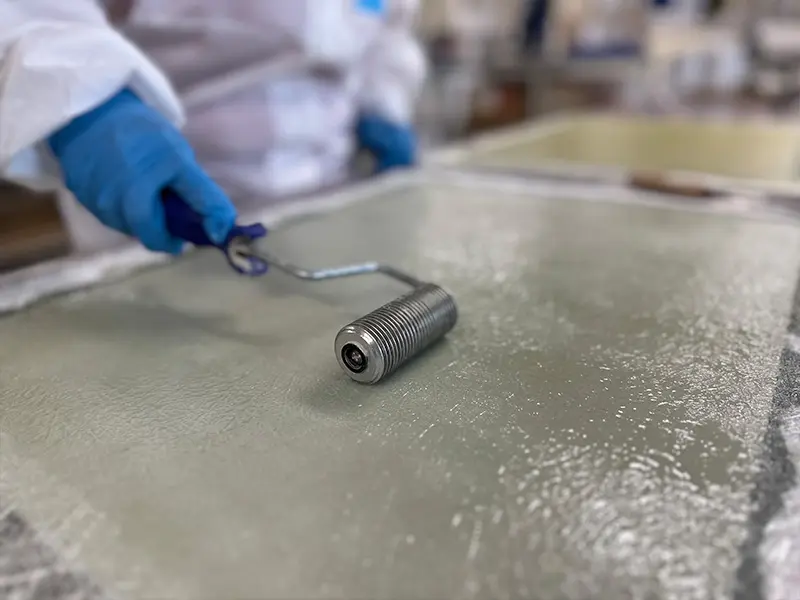
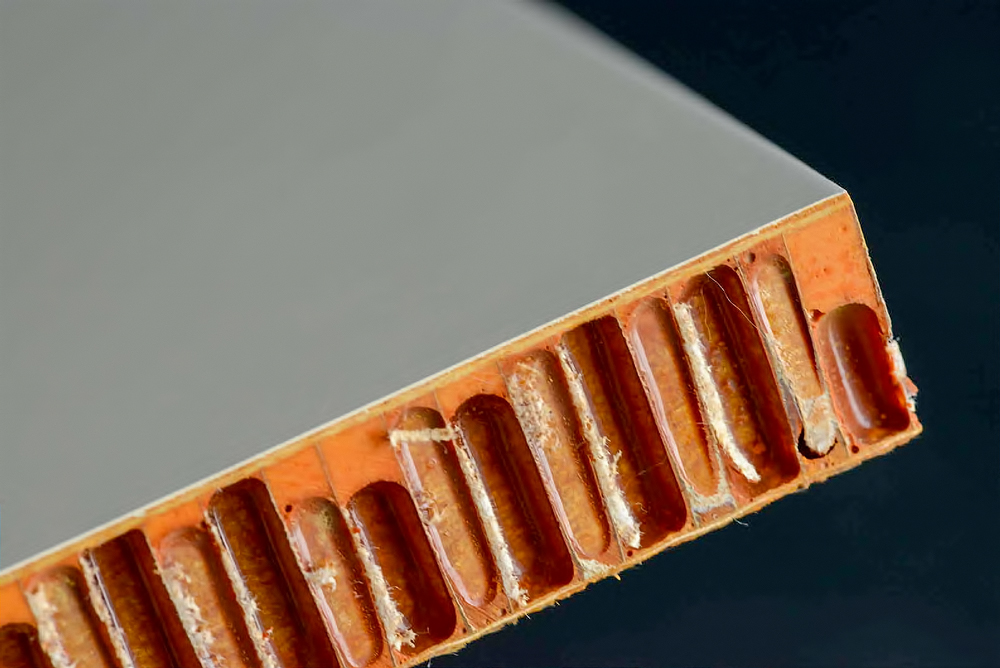




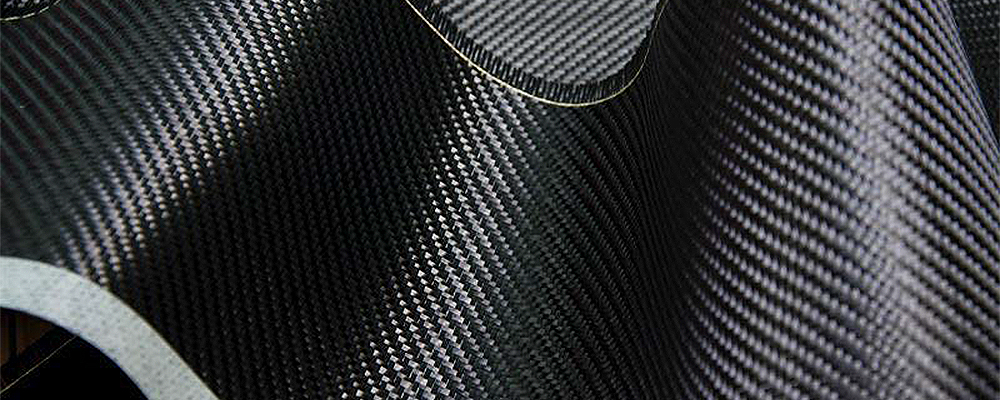
At the moment carbon fibre is still an expensive option, but as demand, and therefore production, keeps increasing worldwide, the price continues to decrease. As the material becomes ever more affordable, more and more applications will probably be developed.
Advantages
Good thermal conductivity
Negative coefficient of thermal expansion
Moderately good conductor of electricity
Chemically inert except in strong oxidising environments
Creep-resistant and fatigue resistant
Excellent damping characteristics
Disadvantages
Expensive
Brittle
Low impact resistance
Low break extension (elongation)
Relatively low compressive strength
Applications
The applications for carbon fibres are growing rapidly and new ones are being created every day. With carbon fibre offering such a vast range of qualities, we have categorised its applications based on the primary property utilised.
Strength, Stiffness & Low Weight
- Aircraft control surfaces and fuselages
- Helicopter rotor blades
- Wind turbine blades
- Aircraft structural parts such as doors and landing gear assemblies
- Automotive drive shafts and leaf springs
- Racing car bodies and frames
- Spacecraft, rockets, and missiles
- High precision tooling
Thermal Properties
- Heat shields for missiles and rockets
- Brakes
- Aerospace antennas (low coefficient of thermal expansion)
- Space structures such as telescope mounts
- Housing for computers, small motors, electrical control panels
Chemical Inertness
- Storage tanks, particularly when weight is a consideration
- Bridge structures (corrosion-free with good seismic resistance)
- Uranium enrichment centrifuge in the nuclear industry
Rigidity & Good Damping
- Musical instruments
- Audio speakers
- Rollers for industrial processing such as in the paper industry
- Arms for mounting the heads to read computer storage devices
Electrical Properties
- Shields against radio frequency interference
- Circuit boards
- Touch switches
Biological Inertness
- Artificial joints
- Heart-valve components
- X-ray tables and mounting arms
Fatigue Resistance & Self-Lubrication
- Textile machine components
- Air-slide valves
- Compressor blades
- Artificial limbs
| Technical Details * | |
|---|---|
| Density | 1.8 g/cc |
| Tensile strength | 600 ksi |
| Tensile Modulus | 33 Msi |
| Elongation to Break | 1.6% |
* Standard modulus