

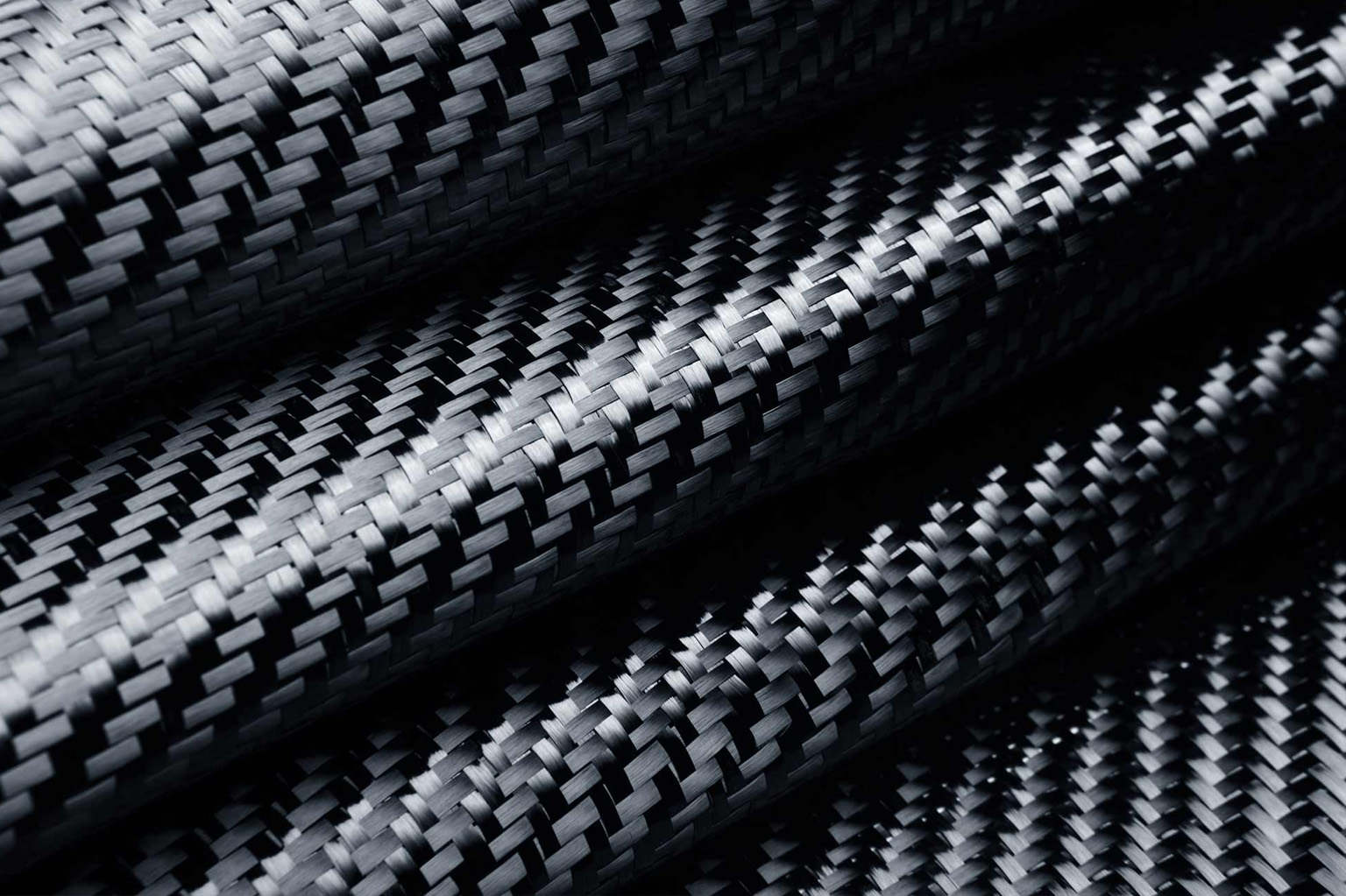



They are typically reinforced with glass fibres or, more commonly now, carbon fibres to produce a material which is stronger than polyester resin and more resilient than epoxy. It provides excellent resistance to water, organic solvents and alkalis, but less resistance to acids than polyester.
Vinyl esters are flexible, making them well suited to parts which need to withstand impact and repeated flexing without developing cracks. The surface quality that can be achieved is not as good as with polyesters. The built-in toughness of vinyl esters makes smooth surfaces hard to accomplish, and the double bonded nature creates shrinkage during the curing process.
Advantages
Mechanical toughness and excellent corrosion resistance
Stronger than polyesters
More resilient than epoxy
Limitations
More expensive than polyester
Surface quality is not as good as polyester
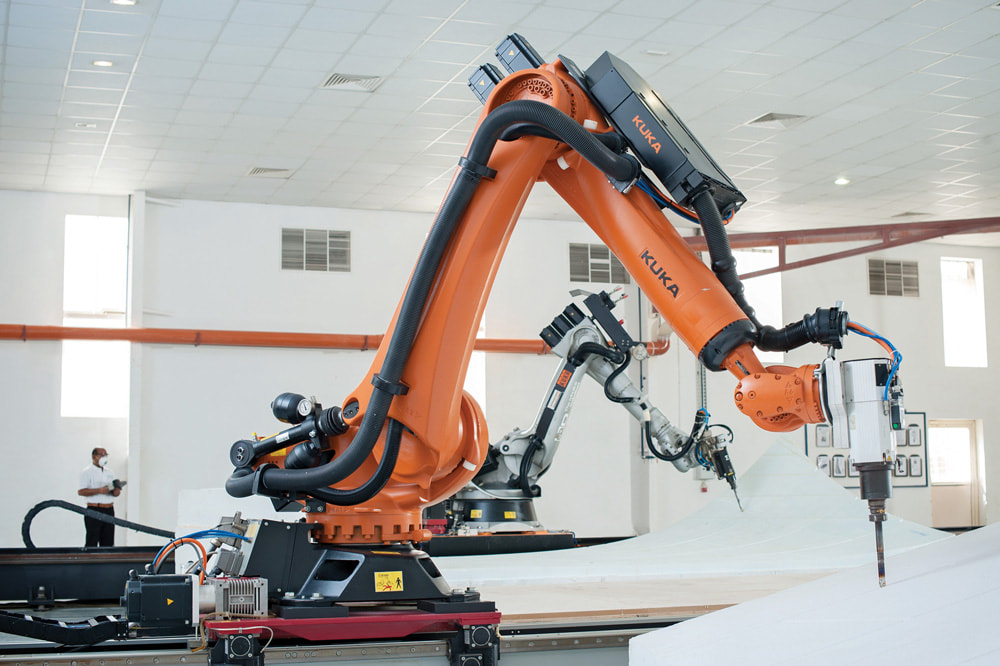
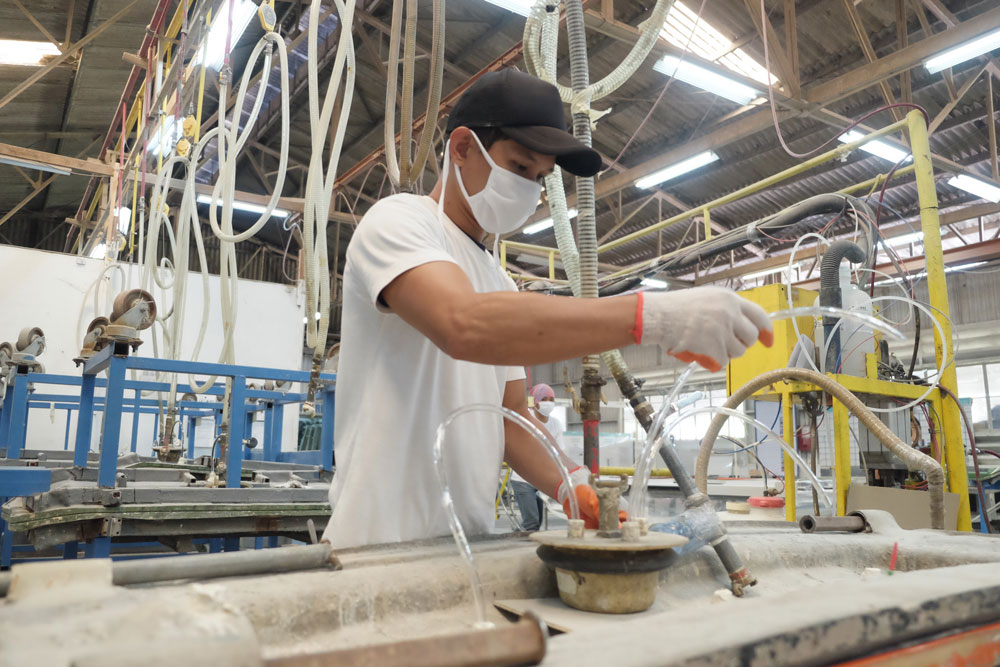
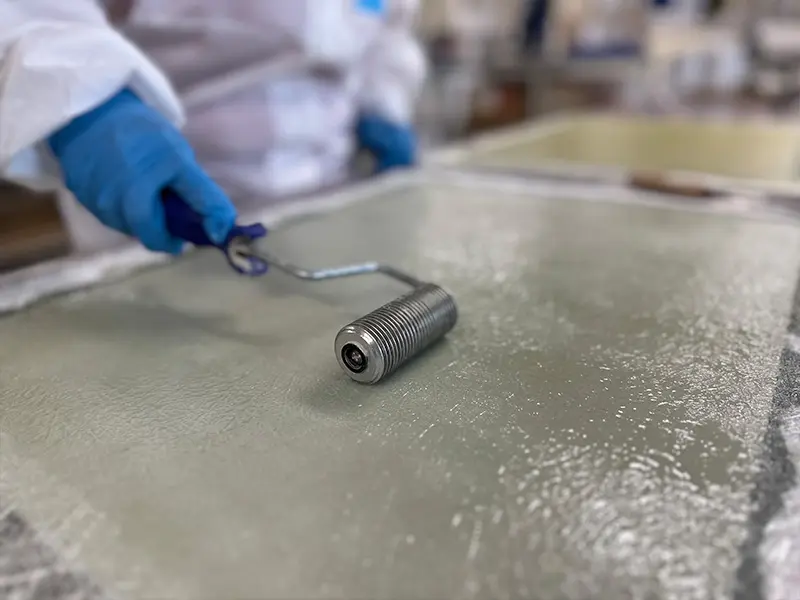
Processing Technologies
| Technical Details * | |
|---|---|
| Tensile strength | 15,000 psi |
| Flexural strength | 30,000 psi |
| Density | 1.80 grams/cc formulated |
| Modulus | >1.5 MMpsi |
| Viscosity | ~500 centipoise |
* For typical 28% glass reinforcement
Explore Other Resin Systems
Polyester
Low cost, versatile
Epoxy
High performance
Phenolic
Fire resistant
Vinyl Ester
Tough & resilient
Contact us to discuss your project with one of our experts