









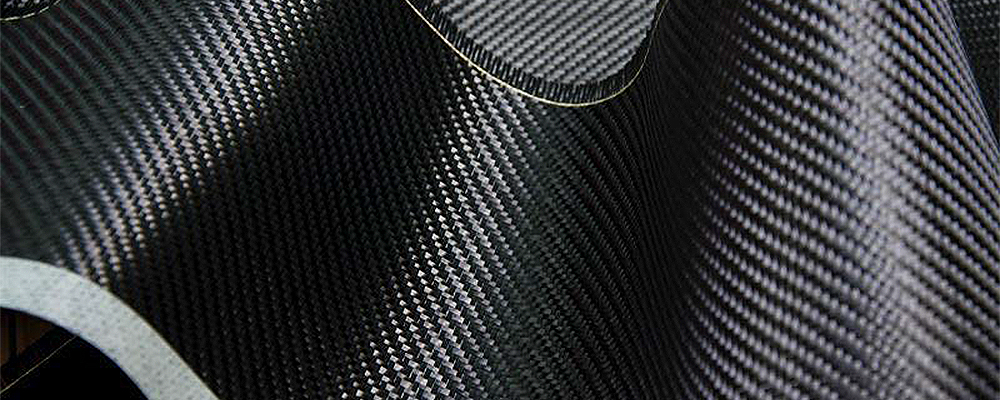


Fibre Arrangement
Arrangement of the glass fibres, or how the individual strands are positioned, determines both direction and level of strength achieved in a moulded FRP composite. The three basic arrangements are:
Unidirectional
Provides the greatest strength in the direction of the fibres. Can be continuous or intermittent, permitting very high reinforcement loading for maximum strength.
Bidirectional
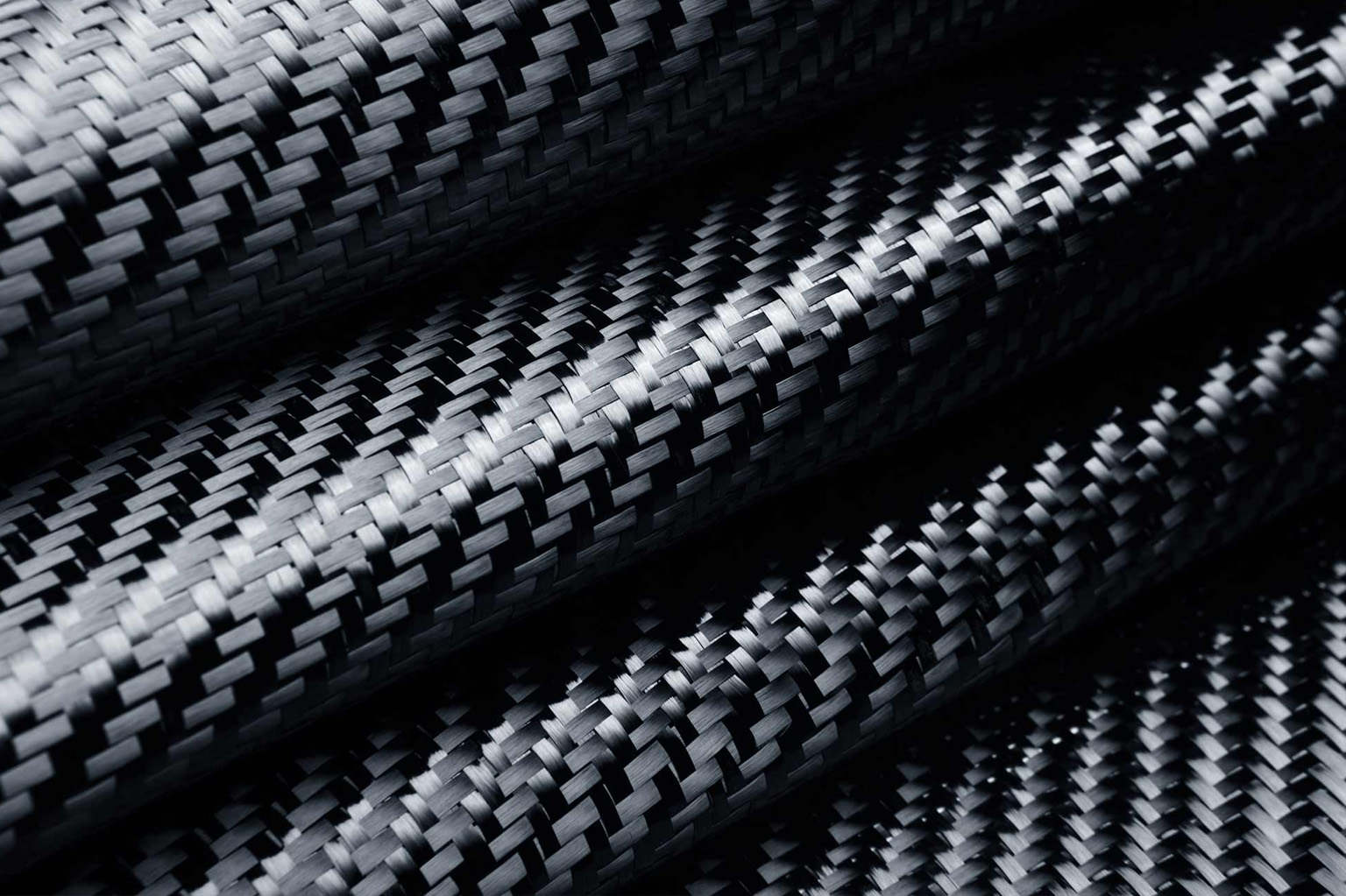
Fibres in two directions, usually at 90° to each other, providing highest strength in those directions. High fibre loading achievable with woven reinforcements.
Multidirectional
Random arrangements provide essentially equal strength in all directions of the finished part.
Reinforcement Forms
Fibre reinforcements are supplied in several basic forms to provide flexibility in cost, strength, compatibility with the resin system, and process requirements. Regardless of the final form, all fibre reinforcements originate as single filaments. A large number of filaments are formed simultaneously and gathered into a strand, then further processed into various forms.
Continuous Strand Roving
Untwisted strands wound into a cylindrical package. Typically chopped for spray-up, preform, or SMC. In continuous form, used in pultrusion and filament winding.
Woven Roving
Woven from continuous roving, this heavy drapable fabric costs less than conventional woven fabric. Used for high strength in large structural components such as tanks and boat hulls.
Woven Fabrics
Made from fibre yarns with a finer texture than woven roving. Available in a broad range of sizes and weights from 2.5 to 18 oz/sq yd, with various strength orientations.
Reinforcing Mat
Made from continuous or chopped strands, held together with a resinous binder or mechanically stitched. Hybrid mats of glass, carbon, and aramid are available for higher-strength products.
Surfacing Mat
A thin fibre mat of monofilament that provides a good surface finish by blocking out the fibre pattern. Also used to produce smooth, resin-rich surfaces in corrosion-resistant products.
Chopped Fibres
Available in lengths from 1/8" to 2" for blending with resins and additives to prepare moulding compounds for compression or injection moulding.