
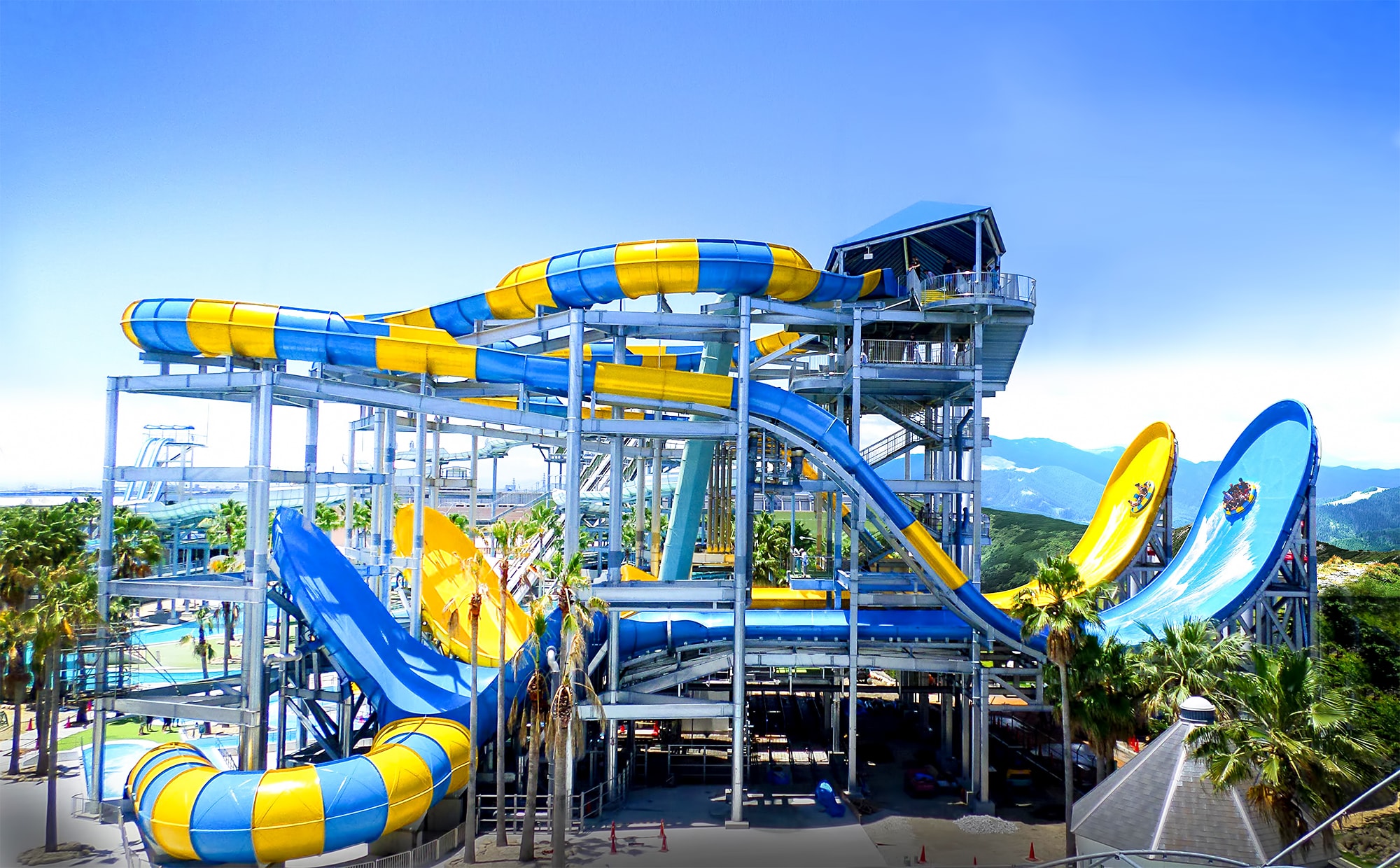
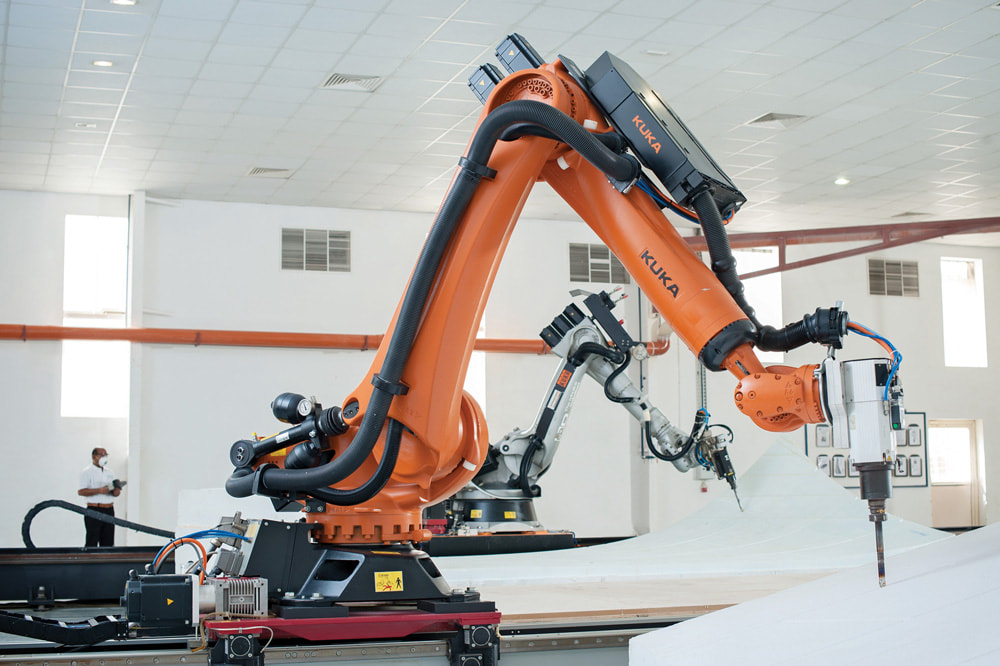
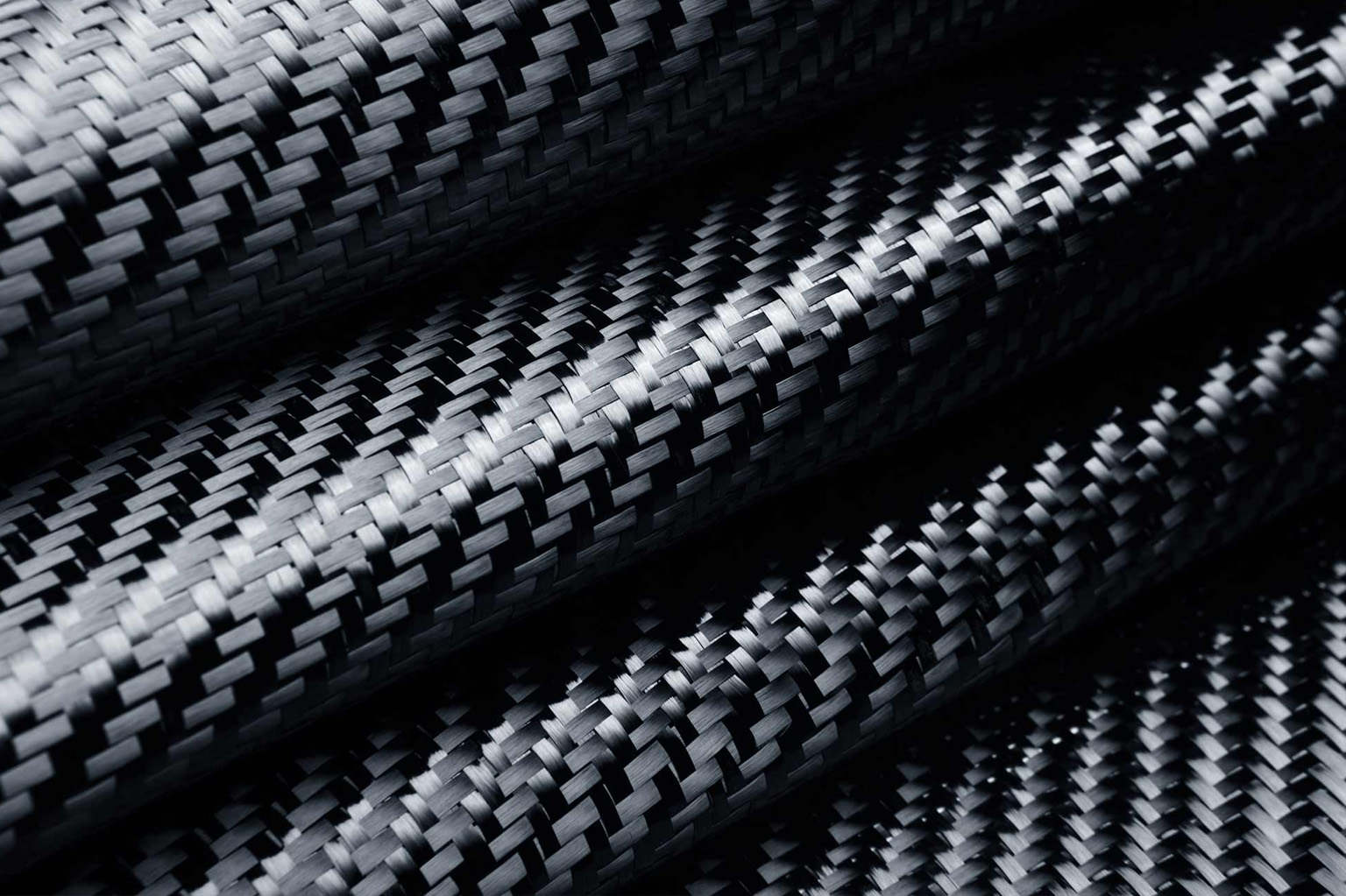
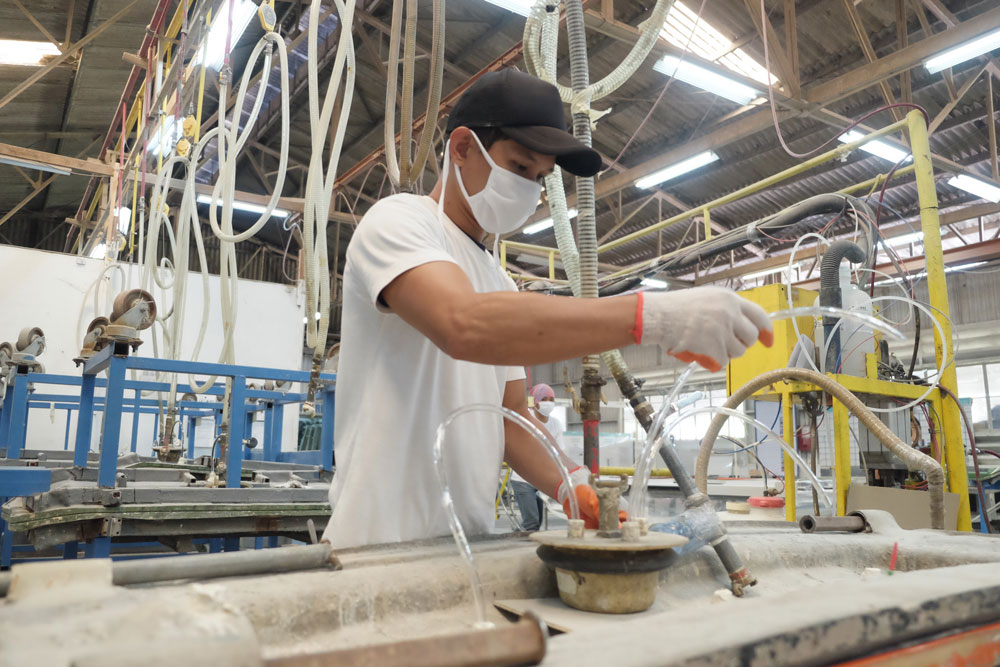


In our Architecture and Infrastructure group, BFG is leading the way, helping our clients to achieve full LEED certification for new green buildings by incorporating the latest composite components into their designs. Leadership in Energy and Environmental Design (LEED) is one of the world's most popular green building certification programmes developed by the US Green Building Council. Its goal is to enhance environmental performance, improve wellbeing and enhance the economic returns of new build facilities, and covers design, construction, operation and maintenance.
Why FRP Materials Support LEED Certification
- By incorporating FRP in place of old-fashioned building fabric, you can make a positive impact to securing LEED certification
- Lightweight FRP materials have low ecological and carbon footprints with significantly lower resource requirements
- FRP uses less energy in the production process from raw materials through to product delivery
- Durable, low maintenance, long lasting material with a long life cycle as determined by LCA studies
- Glass reinforcement is made from sand -- a natural, non-depleting resource
- Resistant to damage by moisture, weather, salinity, termites and other insects
LEED Certification Standards
To attain LEED certification, a building project must satisfy all the LEED requirements and earn a minimum of 40 points (or "credits") out of 110 on the LEED rating system scale:
| 80 points | Platinum Certificate |
| 60 points | Gold Certificate |
| 50 points | Silver Certificate |
| 40 points | Minimum for Certification |
Building Up Your LEED Credits
Using FRP components in building fabric can contribute to LEED credits in a number of key categories:
Heat Island Effect
To minimise the impact on microclimates by reducing heat islands thermal gradient differences between developed and undeveloped areas.
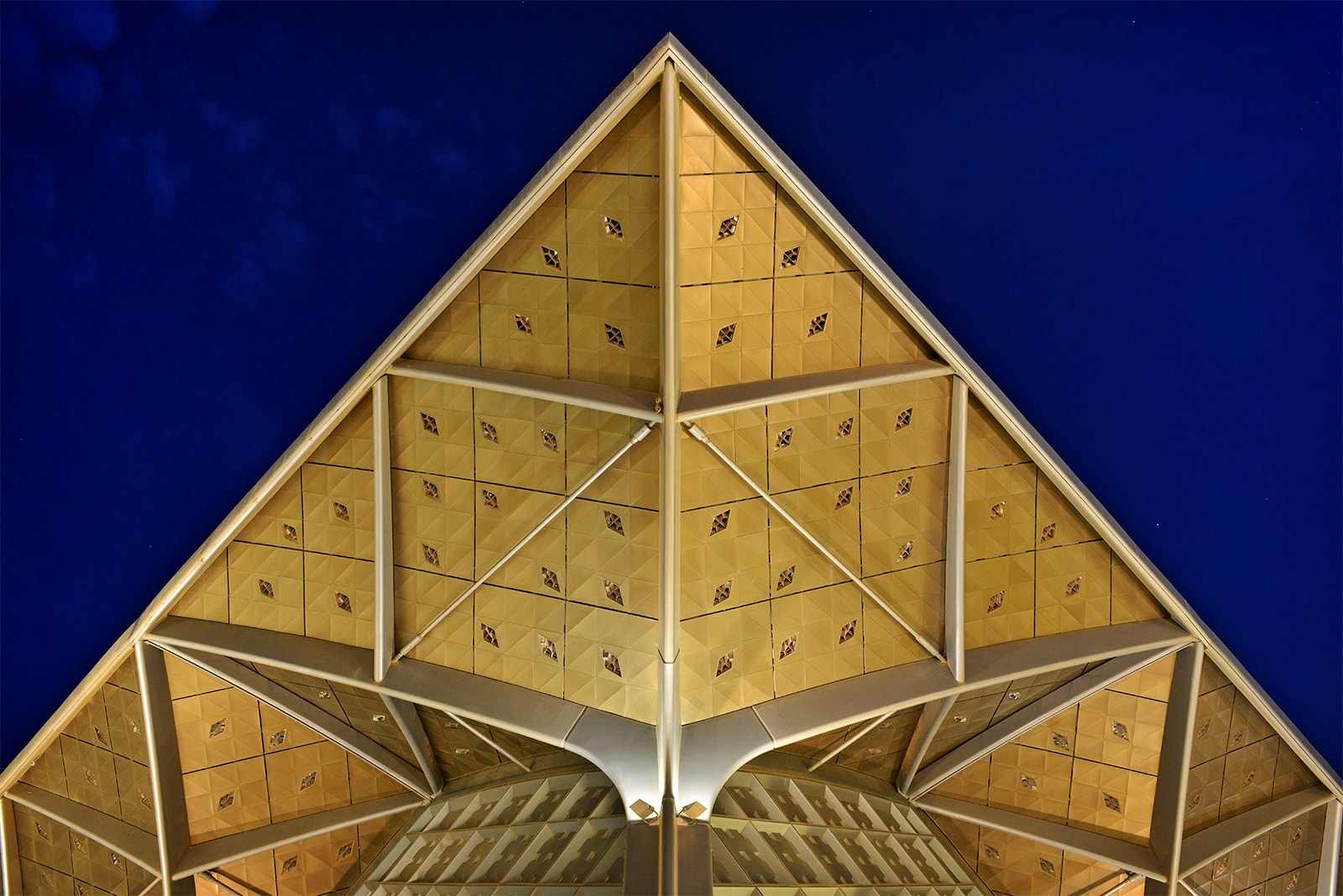
BFG's FRP roof structures such as domes and roof panels are custom made to a range of SRI values to meet project requirements. SRI values tested as per ASTM C 154909 are >49.
Energy Performance
To achieve energy performance above the baseline standard and reduce the environmental and economic impacts associated with excessive energy use.
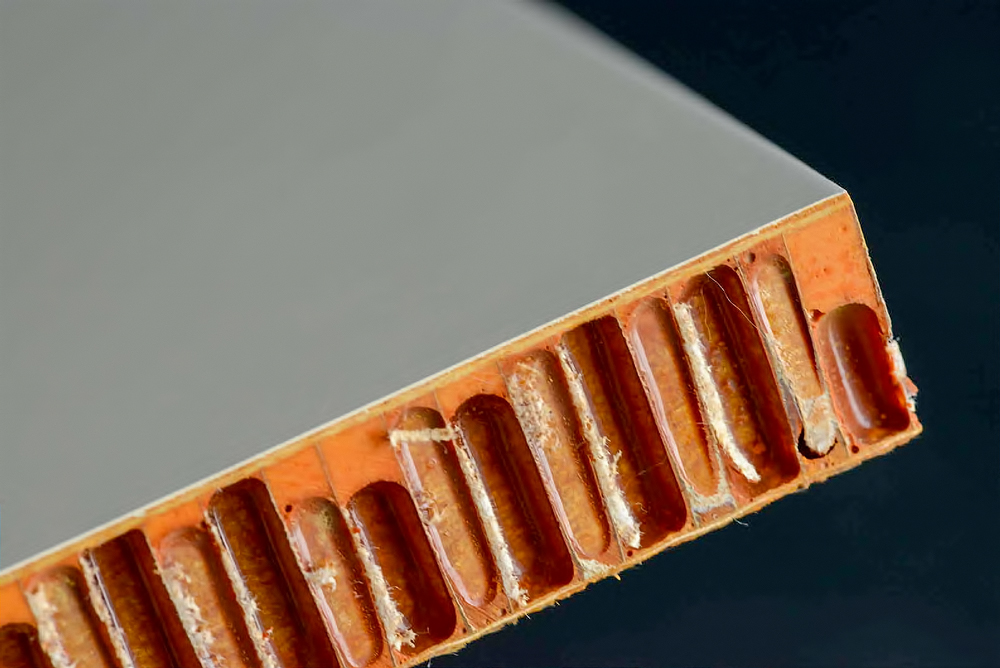
In a typical FRP sandwich structure composed of two fiberglass skins and a PET core, the U-value is 1.65 W/m2/K for a 20mm-thick core and 1.32 W/m2/K for a 25mm-thick core.
Construction Waste Management
To minimise construction debris and divert it away from disposal in landfills or incinerators, redirecting recovered resources back to the manufacturing process.
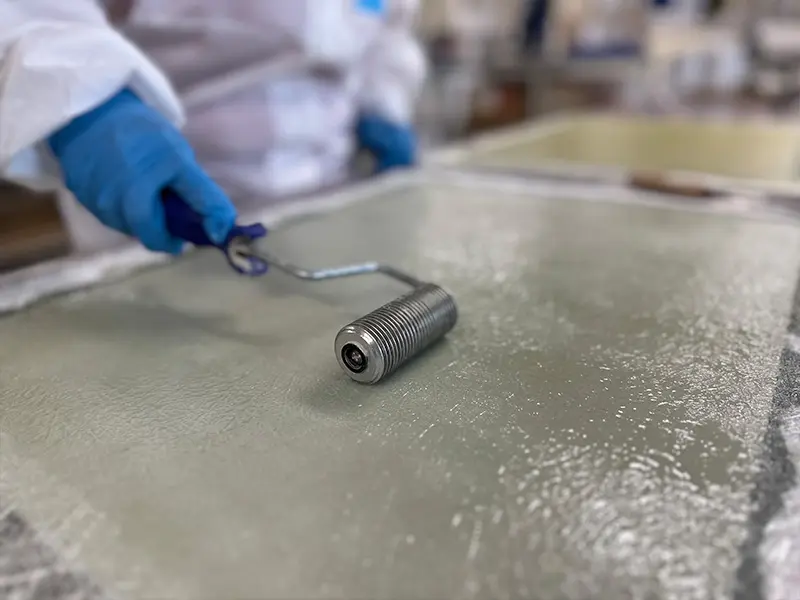
For most projects, BFG's FRP components are custom moulded to size and shape and assembled at the factory, minimising waste on site.
Recycled Content Credit
At BFG, we use a green grade Polyethylene Terephthalate (PET) core, made of 100% post-consumer recycled PET packaging material. The PET core weighs 15% of the total weight of a typical FRP sandwich panel, exceeding the minimum qualification level (10%) required for LEED credit award.
Regional Materials
Most of the ingredients used in the production of FRP at our Bahrain site are made in Gulf Cooperation Council (GCC) countries within 500 miles of the factory location.
Acoustic Performance
BFG's FRP sandwich panels reduce the transferred sound by >30 dB and make a significant contribution to improved acoustic performance in workspaces.
Low Emitting Materials
The high quality gel coat finishes that can be applied to FRP products reduce the need for painting at site and therefore lower the volume of Volatile Organic Compounds (VOC) released.
Mould Prevention
FRP materials do not absorb moisture and do not contribute to mould growth.
Innovation and Design
BFG has a 40 year track record of supporting innovative ideas. With a dedicated innovation hub in Strasbourg, we welcome opportunities for future collaboration in all manner of pioneering FRP applications.