




Durability
FRP composites offer durability that is superior to mild steel, aluminium, stainless steels and steel-reinforced concrete. Composites have been in widespread use since the 1940s, proving their long-term reliability across decades of service.
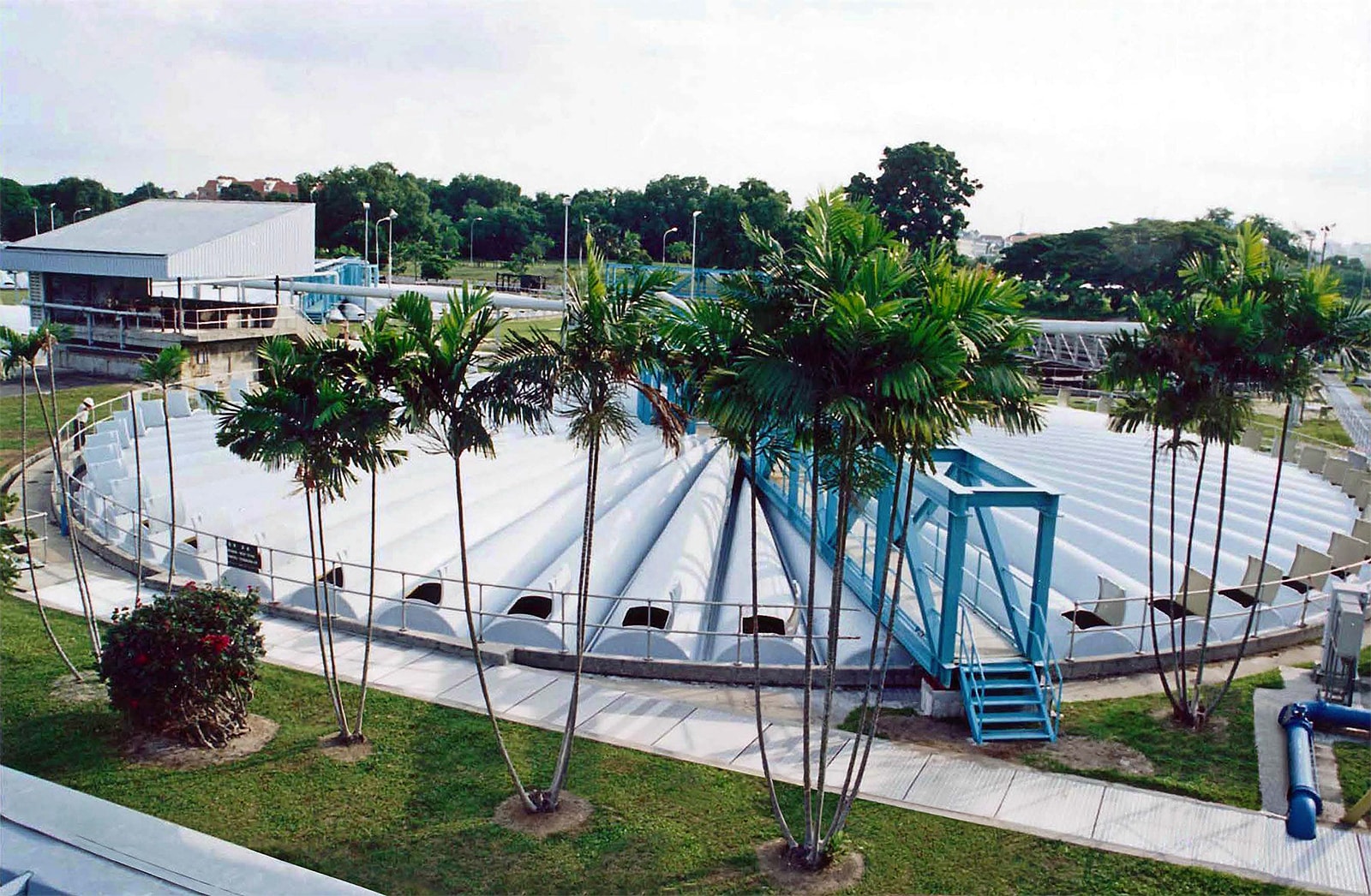
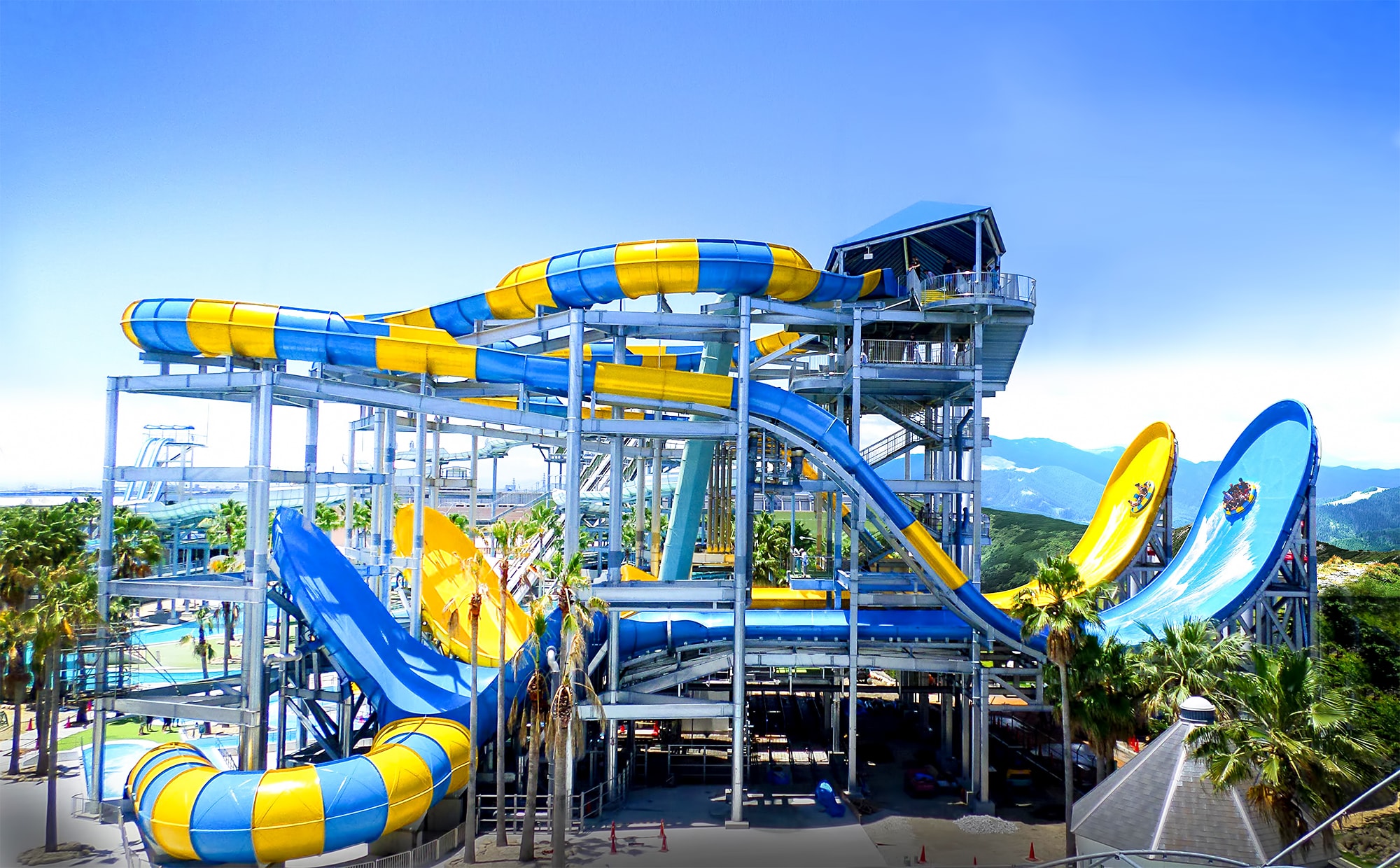
FRP is a corrosion-free material and is routinely used in harsh environments including sea water exposure, chemical processing plants and power generation facilities where traditional materials would deteriorate rapidly.
Creep
Thermoset composites are significantly less susceptible to creep than thermoplastic materials. Pressure vessels and radomes have demonstrated safe sustained loads over extended periods, confirming the excellent creep resistance of FRP.
Creep behaviour in composites is primarily controlled by the matrix material, and with proper material selection, long-term dimensional stability is readily achieved.
Fatigue
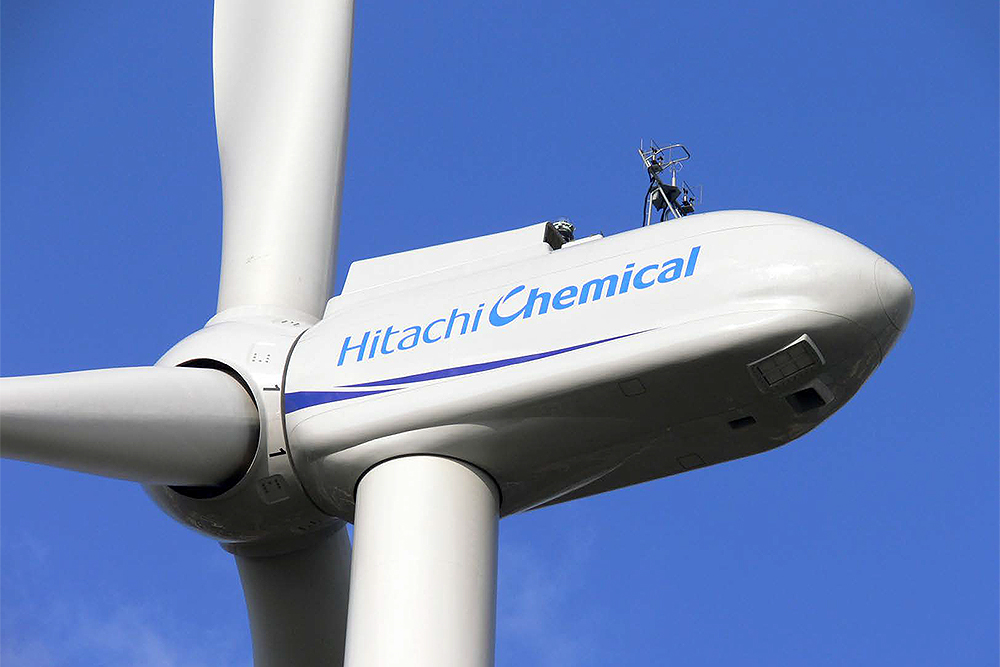
FRP composites demonstrate excellent service life under cyclic loading conditions. This has been proven in demanding applications including automotive leaf springs, helicopter blades, pressure vessels, boat hulls and aircraft structures, all of which are subject to continuous fatigue loading throughout their operational life.
Moisture
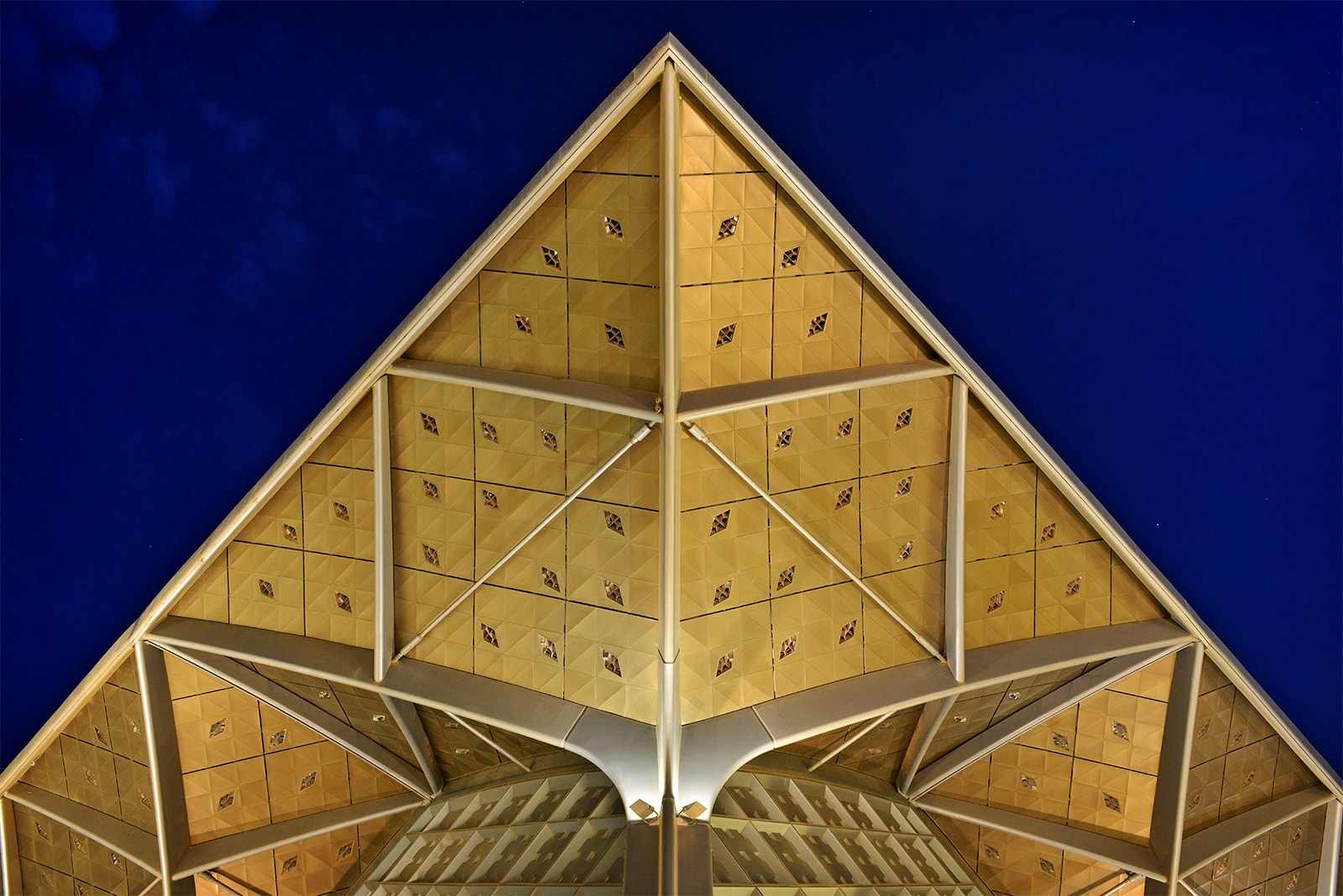
E-glass polyester and vinylester components typically exhibit less than 1% moisture absorption. For architectural panels and building cladding applications, this low absorption rate ensures long-term dimensional stability and structural integrity.
UV Exposure
Prolonged UV exposure can cause colour shift or yellowing in unprotected FRP surfaces. However, this is effectively managed by applying an opaque gelcoat or painting the surface.
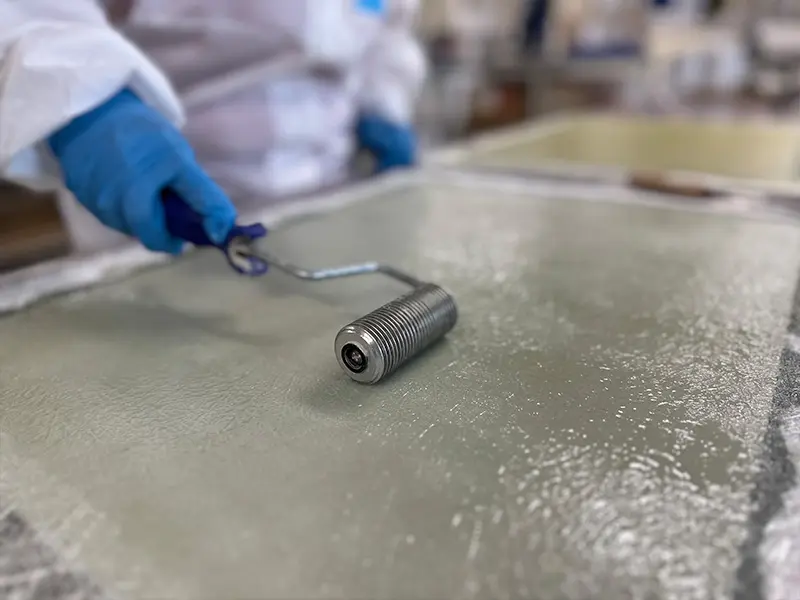
Gelcoating provides a protective layer typically 0.25-0.51mm thick that shields the underlying laminate from UV degradation while maintaining an excellent surface finish throughout the product's service life.
Corrosion
FRP is a corrosion-free material and is frequently specified for applications where other materials would corrode, including exposure to seawater, bleach and hydrochloric acid.
Composite laminates are widely used for corrosive gas resistance in industrial environments, offering maintenance-free performance that traditional metals simply cannot match.